


- Afhalen na 1 uur in een winkel met voorraad
- Gratis thuislevering in België vanaf € 30
- Ruim aanbod met 7 miljoen producten
- Afhalen na 1 uur in een winkel met voorraad
- Gratis thuislevering in België vanaf € 30
- Ruim aanbod met 7 miljoen producten





€ 84,95
+ 169 punten
Omschrijving
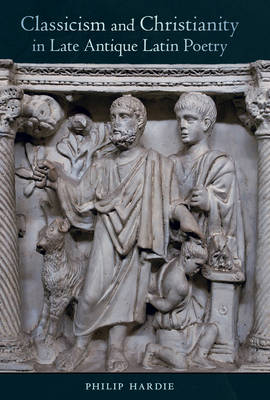
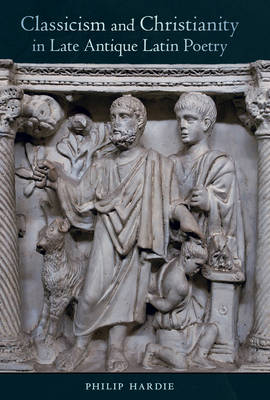
After centuries of near silence, Latin poetry underwent a renaissance in the late fourth and fifth centuries CE evidenced in the works of key figures such as Ausonius, Claudian, Prudentius, and Paulinus of Nola. This period of resurgence marked a milestone in the reception of the classics of late Republican and early imperial poetry. In Classicism and Christianity in Late Antique Latin Poetry, Philip Hardie explores the ways in which poets writing on non-Christian and Christian subjects used the classical traditions of Latin poetry to construct their relationship with Rome's imperial past and present, and with the by now not-so-new belief system of the state religion, Christianity. The book pays particular attention to the themes of concord and discord, the "cosmic sense" of late antiquity, novelty and renouatio, paradox and miracle, and allegory. It is also a contribution to the ongoing discussion of whether there is an identifiably late antique poetics and a late antique practice of intertextuality. Not since Michael Robert's classic The Jeweled Style has a single book had so much to teach about the enduring power of Latin poetry in late antiquity.
Specificaties
Betrokkenen
- Auteur(s):
- Uitgeverij:
Inhoud
- Aantal bladzijden:
- 304
- Taal:
- Engels
- Reeks:
- Reeksnummer:
- nr. 74
Eigenschappen
- Productcode (EAN):
- 9780520295773
- Verschijningsdatum:
- 27/08/2019
- Uitvoering:
- Hardcover
- Formaat:
- Genaaid
- Afmetingen:
- 150 mm x 231 mm
- Gewicht:
- 566 g


Alleen bij Standaard Boekhandel
+ 169 punten op je klantenkaart van Standaard Boekhandel
Cadeau

AANGERADEN


Beoordelingen
We publiceren alleen reviews die voldoen aan de voorwaarden voor reviews. Bekijk onze voorwaarden voor reviews.