


- Afhalen na 1 uur in een winkel met voorraad
- Gratis thuislevering in België vanaf € 30
- Ruim aanbod met 7 miljoen producten
- Afhalen na 1 uur in een winkel met voorraad
- Gratis thuislevering in België vanaf € 30
- Ruim aanbod met 7 miljoen producten





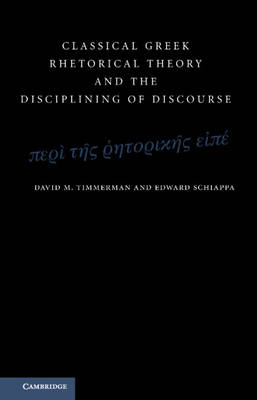
Classical Greek Rhetorical Theory and the Disciplining of Discourse
David M Timmerman, Edward Schiappa
Hardcover | Engels
€ 191,95
+ 383 punten
Uitvoering
Omschrijving
This book contributes to the history of classical rhetoric by focusing on how key terms helped to conceptualize and organize the study and teaching of oratory. David Timmerman and Edward Schiappa demonstrate that the intellectual and political history of Greek rhetorical theory can be enhanced by a better understanding of the emergence of "terms of art" in texts about persuasive speaking and argumentation. The authors provide a series of studies to support their argument. They describe Plato's disciplining of dialgesthai into the Art of Dialectic, Socrates' alternative vision of philosophia, and Aristotle's account of demegoria and symboule as terms for political deliberation. The authors also revisit competing receptions of the Rhetoric to Alexander. Additionally, they examine the argument over when the different parts of oration were formalized in rhetorical theory, illustrating how an "old school" focus on vocabulary can provide fresh perspectives on persistent questions.
Specificaties
Betrokkenen
- Auteur(s):
- Uitgeverij:
Inhoud
- Aantal bladzijden:
- 202
- Taal:
- Engels
Eigenschappen
- Productcode (EAN):
- 9780521195188
- Verschijningsdatum:
- 22/03/2010
- Uitvoering:
- Hardcover
- Formaat:
- Ongenaaid / garenloos gebonden
- Afmetingen:
- 145 mm x 216 mm
- Gewicht:
- 362 g


Alleen bij Standaard Boekhandel
+ 383 punten op je klantenkaart van Standaard Boekhandel
Cadeau

AANGERADEN


Beoordelingen
We publiceren alleen reviews die voldoen aan de voorwaarden voor reviews. Bekijk onze voorwaarden voor reviews.