


- Afhalen na 1 uur in een winkel met voorraad
- Gratis thuislevering in België vanaf € 30
- Ruim aanbod met 7 miljoen producten
- Afhalen na 1 uur in een winkel met voorraad
- Gratis thuislevering in België vanaf € 30
- Ruim aanbod met 7 miljoen producten





€ 47,00
+ 94 punten
Omschrijving
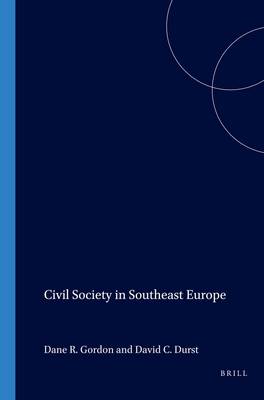
Since the fall of communism in 1989 Southeast Europe has been a site of far-reaching societal transformation, much of it marked by political crisis, economic upheaval, ethnic tension, and bitter war. The book comprises articles investigating the history and development of civil society in post-communist Southeast Europe. How is civil society to be grasped, what are the historical factors shaping the civil societies of the region?, what is the function of civil society in the transition to democracy and a market-economy?, and what are the prospects for the future development of the civil societies of the region in an age of globalization?, -these are just a few of the major questions addressed in this collection of articles. Many of the authors are social scientists, philosophers, and activists from the region, offering first-hand critical analysis of the state of civil society in Southeast Europe and suggesting theoretical and practical strategies for the future course of its development. The aim is to provide the reader with insight into the complex challenges that face the civil societies of the region.
Specificaties
Betrokkenen
- Auteur(s):
- Uitgeverij:
Inhoud
- Aantal bladzijden:
- 177
- Taal:
- Engels
- Reeks:
- Reeksnummer:
- nr. 151
Eigenschappen
- Productcode (EAN):
- 9789042009394
- Verschijningsdatum:
- 1/01/2004
- Uitvoering:
- Paperback
- Formaat:
- Trade paperback (VS)
- Afmetingen:
- 155 mm x 234 mm
- Gewicht:
- 308 g


Alleen bij Standaard Boekhandel
+ 94 punten op je klantenkaart van Standaard Boekhandel
Cadeau

AANGERADEN


Beoordelingen
We publiceren alleen reviews die voldoen aan de voorwaarden voor reviews. Bekijk onze voorwaarden voor reviews.