


- Afhalen na 1 uur in een winkel met voorraad
- Gratis thuislevering in België vanaf € 30
- Ruim aanbod met 7 miljoen producten
- Afhalen na 1 uur in een winkel met voorraad
- Gratis thuislevering in België vanaf € 30
- Ruim aanbod met 7 miljoen producten





€ 18,45
+ 36 punten
Omschrijving
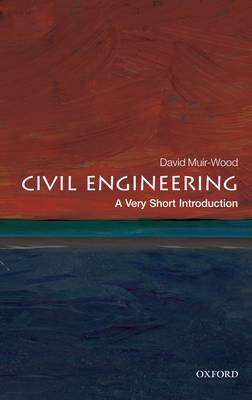
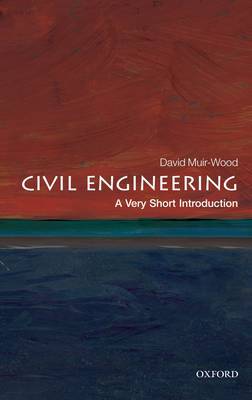
Civil engineering has made an inestimable contribution to modern life, providing the crucial expertise behind our vast transportation systems and the wide array of built structures where we work, study, and play. In this Very Short Introduction, engineer David Muir Wood turns a spotlight on a field that we often take for granted. He sheds light on the nature and importance of civil engineering in the history of civilization and urbanization, outlines its many accomplishments in the modern era, and points to the hurdles that civil engineering will face in the future. Beginning with the task of creating a settlement on a deserted island, Muir Wood sets out the problems that civil engineers face every day, highlighting the social and environmental challenges as well as the grasp of science and technology needed to craft buildings, bridges, tunnels, houses, and areas of recreation. The author also profiles the lives of some of the major civil engineers, such as Isambard Kingdom Brunel, the acclaimed builder of steamships, railways, and tunnels, and Sir Joseph Bazalgette, whose sewer system in central London was instrumental in relieving the city from cholera epidemics. Finally, Muir Wood considers the growing difficulty of managing our water and energy supplies, and he looks at the engineering profession's increased sensitivity to building and the environment.
Specificaties
Betrokkenen
- Auteur(s):
- Uitgeverij:
Inhoud
- Aantal bladzijden:
- 160
- Taal:
- Engels
- Reeks:
Eigenschappen
- Productcode (EAN):
- 9780199578634
- Verschijningsdatum:
- 25/11/2012
- Uitvoering:
- Paperback
- Formaat:
- Trade paperback (VS)
- Afmetingen:
- 109 mm x 170 mm
- Gewicht:
- 113 g


Alleen bij Standaard Boekhandel
+ 36 punten op je klantenkaart van Standaard Boekhandel
Cadeau

AANGERADEN


Beoordelingen
We publiceren alleen reviews die voldoen aan de voorwaarden voor reviews. Bekijk onze voorwaarden voor reviews.