


- Afhalen na 1 uur in een winkel met voorraad
- Gratis thuislevering in België vanaf € 30
- Ruim aanbod met 7 miljoen producten
- Afhalen na 1 uur in een winkel met voorraad
- Gratis thuislevering in België vanaf € 30
- Ruim aanbod met 7 miljoen producten





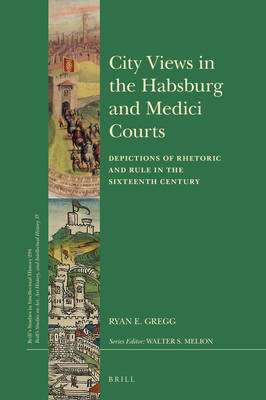
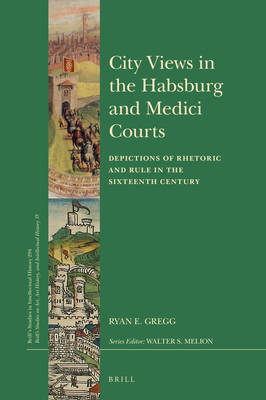
City Views in the Habsburg and Medici Courts
Depictions of Rhetoric and Rule in the Sixteenth Century
Ryan E Gregg
€ 239,15
+ 478 punten
Omschrijving
Ryan E. Gregg relates how the Holy Roman Emperor Charles V and Duke Cosimo I of Tuscany both employed city view artists such as Anton van den Wyngaerde and Giovanni Stradano to aid in constructing authority.
Specificaties
Betrokkenen
- Auteur(s):
- Uitgeverij:
Inhoud
- Aantal bladzijden:
- 418
- Taal:
- Engels
- Reeks:
- Reeksnummer:
- nr. 294
Eigenschappen
- Productcode (EAN):
- 9789004357204
- Verschijningsdatum:
- 20/12/2018
- Uitvoering:
- Hardcover
- Formaat:
- Genaaid
- Afmetingen:
- 163 mm x 241 mm
- Gewicht:
- 952 g


Alleen bij Standaard Boekhandel
+ 478 punten op je klantenkaart van Standaard Boekhandel
Cadeau

AANGERADEN


Beoordelingen
We publiceren alleen reviews die voldoen aan de voorwaarden voor reviews. Bekijk onze voorwaarden voor reviews.