


- Afhalen na 1 uur in een winkel met voorraad
- Gratis thuislevering in België vanaf € 30
- Ruim aanbod met 7 miljoen producten
- Afhalen na 1 uur in een winkel met voorraad
- Gratis thuislevering in België vanaf € 30
- Ruim aanbod met 7 miljoen producten




€ 27,95
+ 55 punten
Omschrijving
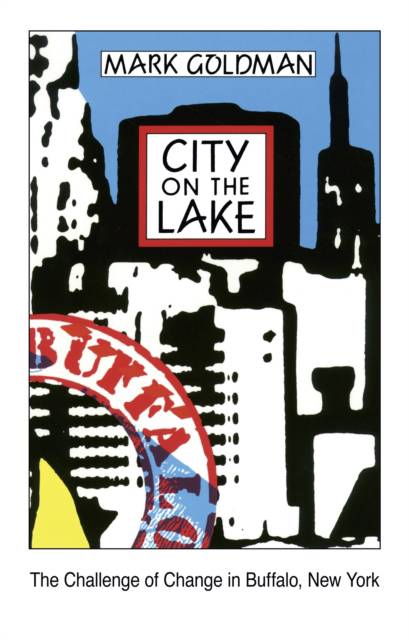
For more than a hundred years, Buffalo was one of the world's great industrial cities. Its grand office buildings and stately mansions overlooked a metropolis that was the eleventh largest industrial center in the United States, the third largest producer of steel, and the largest inland port. Its diverse ethnic heritage, represented by sizable enclaves of Irish, Italians, Poles, Jews, Germans, and African-Americans, gave the city a vibrant sense of community.But by the early 1970's, all of that had changed. Unrest in the inner city had led to riots; student protests had shut down the city's largest university; and the economy in Buffalo, as in all the "Rust Belt" cities, was crumbling as the nation entered the postindustrial age. The population was dropping, too, dramatically altering the streets and neighborhoods where the people of this aging metropolis had lived for generations. Like the Jerusalem of Jeremiah's Lamentations, Buffalo was a dying city whose gates were desolate and whose people were embittered.It is here that Mark Goldman's City on the Lake takes up its story. Goldman analyzes the factors that contributed to the city's decline and describes the efforts of its leaders and citizens to restore Buffalo to its former vitality. Goldman presents the facts - like the immigration patterns in Old Buffalo and the intricate details of the city's 1976 desegregation case - but he also introduces us to the people of Buffalo and puts the city's history into context by interweaving it with the colorful ethnic patchwork of its day-to-day life.By the end of this careful analysis, Goldman's narrative is one of hope. The 1980s witnessed the slow but sure calming of ethnic strife, a new mandate for quality education, and the revitalization of downtown. Goldman believes that the grandeur of Buffalo's past will be recaptured and that Buffalonians are dedicated to building "new gates for the old city."
Specificaties
Betrokkenen
- Auteur(s):
- Uitgeverij:
Inhoud
- Aantal bladzijden:
- 324
- Taal:
- Engels
Eigenschappen
- Productcode (EAN):
- 9780879755799
- Verschijningsdatum:
- 1/06/1990
- Uitvoering:
- Paperback
- Formaat:
- Trade paperback (VS)
- Afmetingen:
- 137 mm x 211 mm
- Gewicht:
- 385 g


Alleen bij Standaard Boekhandel
+ 55 punten op je klantenkaart van Standaard Boekhandel
CADEAU


Beoordelingen
We publiceren alleen reviews die voldoen aan de voorwaarden voor reviews. Bekijk onze voorwaarden voor reviews.