


- Afhalen na 1 uur in een winkel met voorraad
- Gratis thuislevering in België vanaf € 30
- Ruim aanbod met 7 miljoen producten
- Afhalen na 1 uur in een winkel met voorraad
- Gratis thuislevering in België vanaf € 30
- Ruim aanbod met 7 miljoen producten





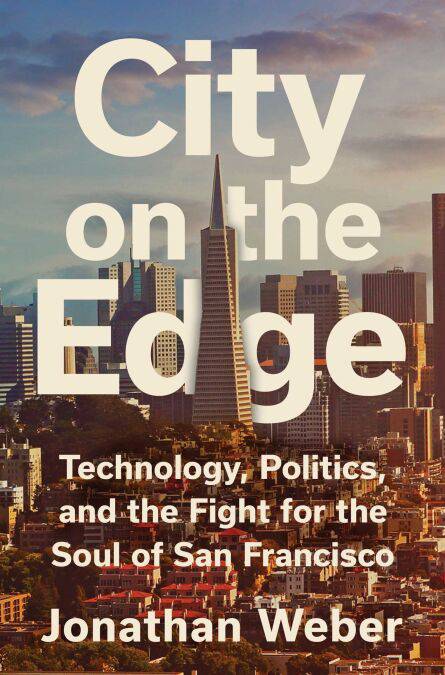
City on the Edge E-BOOK
Technology, Politics, and the Fight for the Soul of San Francisco
Jonathan Weber
E-book | Engels
€ 19,00
+ 19 punten
Omschrijving
The definitive and “captivating” (Marty Baron, author of Collision of Power) story of San Francisco’s meteoric transformation into a global capital of technology, and how the same creative and political forces that gave rise to its boom nearly engineered its collapse.
At the dawn of the 1990s, San Francisco was a beautiful if troubled mid-sized metropolis. It was still reeling from the AIDS epidemic and the Lome Prieta earthquake, its economy stuck in a post-industrial slump. Once considered to be the capital of the American West, and later the beating heart of the global counterculture, the mythic, fog-shrouded city at the edge of the continent faced an uncertain future.
But in that very moment, a band of free-thinking technologists, immersed in the creative zeitgeist of the city, were inventing the contemporary internet. San Francisco would undergo an epic political, social, and economic transformation as it claimed the title of tech capital of the world. Local politicians, including Gavin Newsom and Kamala Harris, advanced to the national stage. An unlikely marriage of underground culture and technological optimism gave rise to the annual reverie known as Burning Man.
This should have been a happy story for San Francisco. But as the city’s tech economy roared, a host of urban ills lurked in the shadows: homelessness, drug addiction, mental illness, and a crippling lack of new housing. The city’s famous left-wing political establishment struggled to get its arms around the problems, becoming a punching bag for President Trump and the new right. When the pandemic arrived in 2020, it created new crises and laid old ones bare, shattering a “City Family” that had ruled politically for more than thirty years and prompting a sharp rightward turn by the once-liberal tech industry.
Jonathan Weber saw it all up close as a reporter and newsroom leader. He offers a sweeping history of a city that rose to dizzying heights, only to be undone by the heedlessness of a tech industry it did so much to spawn and politicians who had lost the plot. Drawing on 200 interviews with mayors, CEOs, political leaders, activists, entrepreneurs, and artists, City on the Edge is more than a simple chronicle of a city. It’s the story of a war waged for the heart of San Francisco—one that anticipated the culture wars raging around the world. Its outcome would have an impact far beyond the city’s famed Golden Gates.
At the dawn of the 1990s, San Francisco was a beautiful if troubled mid-sized metropolis. It was still reeling from the AIDS epidemic and the Lome Prieta earthquake, its economy stuck in a post-industrial slump. Once considered to be the capital of the American West, and later the beating heart of the global counterculture, the mythic, fog-shrouded city at the edge of the continent faced an uncertain future.
But in that very moment, a band of free-thinking technologists, immersed in the creative zeitgeist of the city, were inventing the contemporary internet. San Francisco would undergo an epic political, social, and economic transformation as it claimed the title of tech capital of the world. Local politicians, including Gavin Newsom and Kamala Harris, advanced to the national stage. An unlikely marriage of underground culture and technological optimism gave rise to the annual reverie known as Burning Man.
This should have been a happy story for San Francisco. But as the city’s tech economy roared, a host of urban ills lurked in the shadows: homelessness, drug addiction, mental illness, and a crippling lack of new housing. The city’s famous left-wing political establishment struggled to get its arms around the problems, becoming a punching bag for President Trump and the new right. When the pandemic arrived in 2020, it created new crises and laid old ones bare, shattering a “City Family” that had ruled politically for more than thirty years and prompting a sharp rightward turn by the once-liberal tech industry.
Jonathan Weber saw it all up close as a reporter and newsroom leader. He offers a sweeping history of a city that rose to dizzying heights, only to be undone by the heedlessness of a tech industry it did so much to spawn and politicians who had lost the plot. Drawing on 200 interviews with mayors, CEOs, political leaders, activists, entrepreneurs, and artists, City on the Edge is more than a simple chronicle of a city. It’s the story of a war waged for the heart of San Francisco—one that anticipated the culture wars raging around the world. Its outcome would have an impact far beyond the city’s famed Golden Gates.
Specificaties
Betrokkenen
- Auteur(s):
- Uitgeverij:
Inhoud
- Aantal bladzijden:
- 432
- Taal:
- Engels
Eigenschappen
- Productcode (EAN):
- 9781668074930
- Verschijningsdatum:
- 8/06/2026
- Uitvoering:
- E-book
- Beveiligd met:
- Adobe DRM
- Formaat:
- ePub


Alleen bij Standaard Boekhandel
+ 19 punten op je klantenkaart van Standaard Boekhandel
Cadeau

AANGERADEN


Beoordelingen
We publiceren alleen reviews die voldoen aan de voorwaarden voor reviews. Bekijk onze voorwaarden voor reviews.