


- Afhalen na 1 uur in een winkel met voorraad
- Gratis thuislevering in België vanaf € 30
- Ruim aanbod met 7 miljoen producten
- Afhalen na 1 uur in een winkel met voorraad
- Gratis thuislevering in België vanaf € 30
- Ruim aanbod met 7 miljoen producten





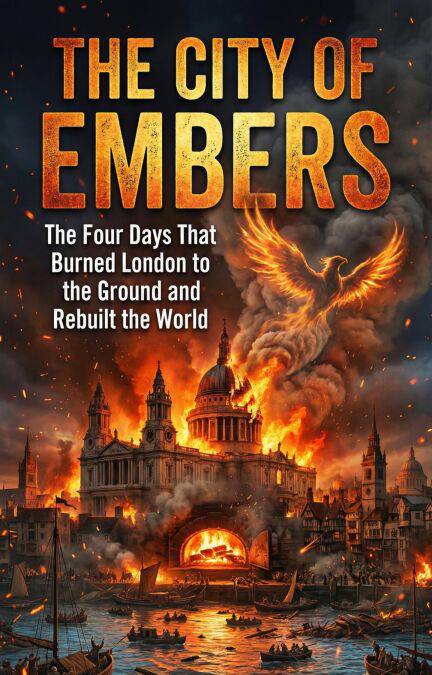
City of Embers E-BOOK
The Four Days That Burned London to the Ground and Rebuilt the World
William Ash
E-book | Engels
€ 19,99
+ 19 punten
Omschrijving
On a dry September night in 1666, a small fire started in Thomas Farriner's bakery on Pudding Lane. Due to a strong wind and the hesitation of the Lord Mayor, who famously remarked a woman could "piss it out," the flames escaped. Four days later, 80% of medieval London was ash. "The City of Embers" is a minute-by-minute account of the Great Fire of London, a disaster that destroyed 13,200 houses and the iconic St. Paul's Cathedral.
The book follows the terrified citizens fleeing to the Thames, the diarist Samuel Pepys burying his parmesan cheese to save it from the flames, and the King taking command when the city government failed. But the story doesn't end with the fire. It explores the monumental rebuilding effort led by Christopher Wren, which transformed London from a wooden deathtrap into a modern metropolis of stone and brick.
This is a story of destruction and rebirth. It shows how the catastrophe wiped out the last traces of the Great Plague and paved the way for London to become the global capital of the future. It is history written in fire and stone.
The book follows the terrified citizens fleeing to the Thames, the diarist Samuel Pepys burying his parmesan cheese to save it from the flames, and the King taking command when the city government failed. But the story doesn't end with the fire. It explores the monumental rebuilding effort led by Christopher Wren, which transformed London from a wooden deathtrap into a modern metropolis of stone and brick.
This is a story of destruction and rebirth. It shows how the catastrophe wiped out the last traces of the Great Plague and paved the way for London to become the global capital of the future. It is history written in fire and stone.
Specificaties
Betrokkenen
- Auteur(s):
- Uitgeverij:
Inhoud
- Aantal bladzijden:
- 159
- Taal:
- Engels
Eigenschappen
- Productcode (EAN):
- 9783565255160
- Verschijningsdatum:
- 16/02/2026
- Uitvoering:
- E-book
- Formaat:
- ePub


Alleen bij Standaard Boekhandel
+ 19 punten op je klantenkaart van Standaard Boekhandel
Wedstrijd


Beoordelingen
We publiceren alleen reviews die voldoen aan de voorwaarden voor reviews. Bekijk onze voorwaarden voor reviews.