


- Afhalen na 1 uur in een winkel met voorraad
- Gratis thuislevering in België vanaf € 30
- Ruim aanbod met 7 miljoen producten
- Afhalen na 1 uur in een winkel met voorraad
- Gratis thuislevering in België vanaf € 30
- Ruim aanbod met 7 miljoen producten





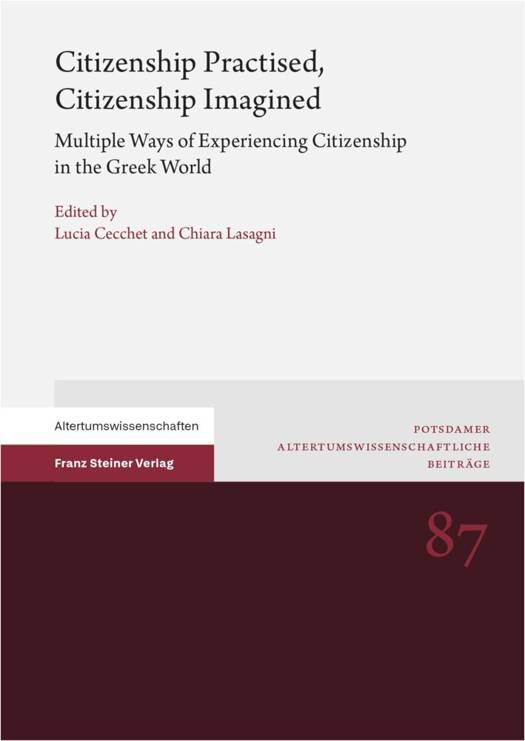
Citizenship Practised, Citizenship Imagined
Multiple Ways of Experiencing Citizenship in the Greek World
€ 60,95
+ 121 punten
Omschrijving
What makes a citizen a citizen? How do the values and practices of institutional and social life in ancient cities shape the identities of citizens? How did phenomena such as migration and the integration of foreigners into civic communities affect the discourse and reality of citizenship in the ancient Greek world? How was citizenship experienced beyond the polis? The contributions collected in this book attempt to answer such questions by fostering dialogue between scholars who have focused on the institutional aspects and those who have concentrated on the discursive and performative dimensions of Greek citizenship. It has become increasingly clear today that ancient Greek citizenship should be approached as a multifaceted phenomenon. Drawing on a wide range of source material, including inscriptions, material remains, and literary texts from Archaic Greece to the imperial period, this volume offers fresh insights into the institutions, practices and values that defined Greek citizenship status.
Specificaties
Betrokkenen
- Uitgeverij:
Inhoud
- Aantal bladzijden:
- 316
- Taal:
- Engels
- Reeks:
- Reeksnummer:
- nr. 87
Eigenschappen
- Productcode (EAN):
- 9783515137591
- Verschijningsdatum:
- 18/07/2025
- Uitvoering:
- Paperback
- Formaat:
- Trade paperback (VS)
- Afmetingen:
- 170 mm x 20 mm
- Gewicht:
- 743 g

Alleen bij Standaard Boekhandel
+ 121 punten op je klantenkaart van Standaard Boekhandel
Cadeau

AANGERADEN


Beoordelingen
We publiceren alleen reviews die voldoen aan de voorwaarden voor reviews. Bekijk onze voorwaarden voor reviews.