


- Afhalen na 1 uur in een winkel met voorraad
- Gratis thuislevering in België vanaf € 30
- Ruim aanbod met 7 miljoen producten
- Afhalen na 1 uur in een winkel met voorraad
- Gratis thuislevering in België vanaf € 30
- Ruim aanbod met 7 miljoen producten





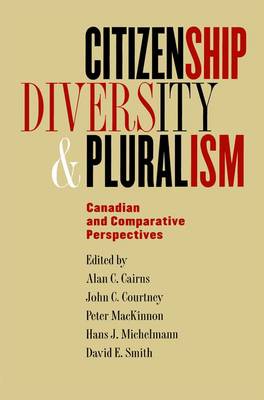
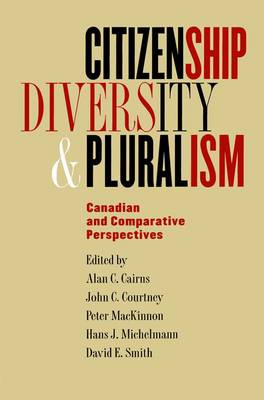
Citizenship, Diversity, and Pluralism
Canadian and Comparative Perspectives
Peter MacKinnon
Paperback | Engels
€ 51,95
+ 103 punten
Omschrijving
Citizenship has both a vertical and a horizontal dimension. The vertical links individuals to the state by reinforcing the idea that it is "their" state - that they are full members of an ongoing association that is expected to survive the passing generations. Accordingly their relation to the state is not narrowly instrumental but is supported by a reservoir of loyalty and patriotism that gives legitimacy to the state. The horizontal relationship is the positive identification with fellow citizens as valued members of the same civic community. Here citizenship reinforces empathy and sustains solidarity through its official endorsement of who counts as "one of us." Citizenship, therefore, is a linking mechanism that in its most perfect expression binds the citizenry to the state and to each other.
In Citizenship, Diversity, and Pluralism leading scholars assess the transformation of these two dimensions of citizenship in increasingly diverse and plural modern societies, both in Canada and internationally. Subjects addressed include the changing ethnic demography of states, social citizenship, multiculturalism, feminist perspectives on citizenship, aboriginal nationalism, identity politics, and the internationalization of human rights. Contributors include Heribert Adam (Simon Fraser), Keith Banting (Queen's), Anthony Birch (emeritus, Victoria), John Borrows (UBC), Alan Cairns, Walker Connor (Trinity College), John Erik Fossum (LOS?Senteret, Norway), Virginia Leary (emeritus, SUNY), Denise Réaume (Toronto), Lynn Smith (justice, BC Supreme Court), Charles Taylor (emeritus, McGill), and Jeremy Webber (Sydney, Australia).Specificaties
Betrokkenen
- Auteur(s):
- Uitgeverij:
Inhoud
- Aantal bladzijden:
- 304
- Taal:
- Engels
Eigenschappen
- Productcode (EAN):
- 9780773518933
- Verschijningsdatum:
- 4/04/2000
- Uitvoering:
- Paperback
- Formaat:
- Trade paperback (VS)
- Afmetingen:
- 155 mm x 229 mm
- Gewicht:
- 453 g


Alleen bij Standaard Boekhandel
+ 103 punten op je klantenkaart van Standaard Boekhandel
Cadeau

AANGERADEN


Beoordelingen
We publiceren alleen reviews die voldoen aan de voorwaarden voor reviews. Bekijk onze voorwaarden voor reviews.