


- Afhalen na 1 uur in een winkel met voorraad
- Gratis thuislevering in België vanaf € 30
- Ruim aanbod met 7 miljoen producten
- Afhalen na 1 uur in een winkel met voorraad
- Gratis thuislevering in België vanaf € 30
- Ruim aanbod met 7 miljoen producten





€ 83,95
+ 167 punten
Omschrijving
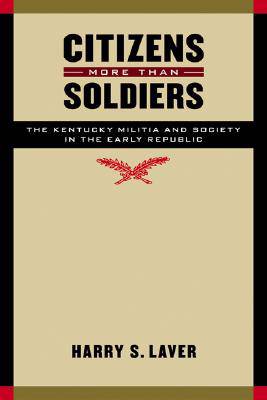
Historians typically depict nineteenth-century militiamen as drunken buffoons who stumbled into crooked lines, poked each other with cornstalk weapons, and inevitably shot their commander in the backside with a rusty, antiquated musket. Citizens More than Soldiers demonstrates that, to the contrary, the militia remained an active civil institution in the early nineteenth century, affecting the era's great social, political, and economic transitions. In fact, given their degree of community involvement, militiamen were more influential in Kentucky's maturation than any other formal community organization. Citizens More than Soldiers reveals that the militia was not the atrophied remnant of the Revolution's minutemen but an ongoing organization that maintained an important presence in American society. This study also shows that citizen-soldiers participated in their communities by establishing local, regional, and national identities, reinforcing the social hierarchy, advancing democratization and party politics, keeping the public peace, encouraging economic activity, and defining concepts of masculinity. A more accurate understanding of the militia's contribution to American society extends our comprehension of the evolutionary processes of a maturing nation, showing, for example, how citizen-soldiers promoted nationalism, encouraged democratization, and maintained civil order. Citizens More than Soldiers is not a traditional military history of campaigns and battles but rather the story of citizen-soldiers and their contribution to the transformation of American society in the nineteenth century.
Specificaties
Betrokkenen
- Auteur(s):
- Uitgeverij:
Inhoud
- Aantal bladzijden:
- 230
- Taal:
- Engels
- Reeks:
Eigenschappen
- Productcode (EAN):
- 9780803229709
- Verschijningsdatum:
- 1/12/2007
- Uitvoering:
- Hardcover
- Formaat:
- Genaaid
- Afmetingen:
- 162 mm x 223 mm
- Gewicht:
- 430 g


Alleen bij Standaard Boekhandel
+ 167 punten op je klantenkaart van Standaard Boekhandel
Cadeau

AANGERADEN


Beoordelingen
We publiceren alleen reviews die voldoen aan de voorwaarden voor reviews. Bekijk onze voorwaarden voor reviews.