


- Afhalen na 1 uur in een winkel met voorraad
- Gratis thuislevering in België vanaf € 30
- Ruim aanbod met 7 miljoen producten
- Afhalen na 1 uur in een winkel met voorraad
- Gratis thuislevering in België vanaf € 30
- Ruim aanbod met 7 miljoen producten





€ 185,45
+ 370 punten
Omschrijving
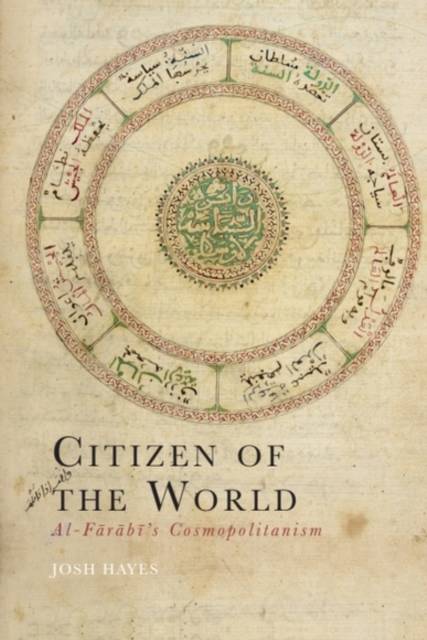
The early Greek Cynic, Diogenes, when asked where he came from simply replied: kosmopolitēs - 'I am a citizen of the world'. The ethical and political paradigm of cosmopolitanism is often exclusively attributed to the ancient schools of Cynicism and Stoicism. Cosmopolitanism is commonly assumed to have reached an impasse throughout the Middle Ages, only to resurface during the Enlightenment with the political philosophies of Hugo Grotius, Adam Smith, and Immanuel Kant. However, the political philosophy of Abū Naṣr al-Fārābī (870-950 CE), represents a promising avenue for the revival and expansion of cosmopolitanism. By harmonizing Plato and Aristotle with Neoplatonism and Islamic theology (kalām) in a radically innovative manner, al-Fārābī ambitiously proposes the existence of a political community extending across the entire inhabited world. This book demonstrates that the possibility and promise of al-Fārābī's cosmopolitanism remains an enduring contribution to contemporary debates concerning the future of democracy and global political association.
Specificaties
Betrokkenen
- Auteur(s):
- Uitgeverij:
Inhoud
- Aantal bladzijden:
- 224
- Taal:
- Engels
- Reeks:
Eigenschappen
- Productcode (EAN):
- 9781399530545
- Verschijningsdatum:
- 30/04/2025
- Uitvoering:
- Hardcover
- Formaat:
- Genaaid
- Afmetingen:
- 156 mm x 234 mm
- Gewicht:
- 489 g



Alleen bij Standaard Boekhandel
+ 370 punten op je klantenkaart van Standaard Boekhandel
Cadeau

AANGERADEN


Beoordelingen
We publiceren alleen reviews die voldoen aan de voorwaarden voor reviews. Bekijk onze voorwaarden voor reviews.