


- Afhalen na 1 uur in een winkel met voorraad
- Gratis thuislevering in België vanaf € 30
- Ruim aanbod met 7 miljoen producten
- Afhalen na 1 uur in een winkel met voorraad
- Gratis thuislevering in België vanaf € 30
- Ruim aanbod met 7 miljoen producten





€ 67,95
Omschrijving
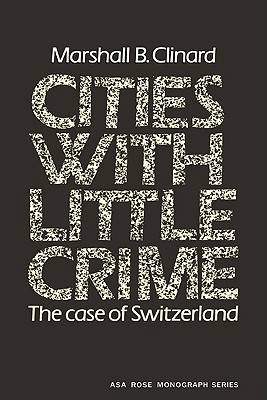
In this comparative study, Professor Clinard challenges the often noted correlation between high rates of crime and high levels of urbanization and industrialization by examining the case of Switzerland. He performs a series of tests designed to determine whether Swiss crime rates are indeed remarkably low. His research is based on surveys of crime victimization in Zurich and of Swiss attitudes toward crime, as well as statements about crime by government officials, newspaper reports on crime, and trends in theft insurance rates. Professor Clinard analyzes the characteristics of Swiss society that seem to be responsible for the low incidence of crime. Particularly important, he suggests, are the citizen's sense of responsibility in crime control, the decentralization of government, the broad integration of youths and adults, and the nature of the Swiss criminal justice system. His policy recommendations are valuable for all nations, both developed and developing, that are concerned with crime control.
Specificaties
Betrokkenen
- Auteur(s):
- Uitgeverij:
Inhoud
- Aantal bladzijden:
- 228
- Taal:
- Engels
- Reeks:
Eigenschappen
- Productcode (EAN):
- 9780521293273
- Verschijningsdatum:
- 31/08/1978
- Uitvoering:
- Paperback
- Formaat:
- Trade paperback (VS)
- Afmetingen:
- 152 mm x 229 mm
- Gewicht:
- 340 g


Alleen bij Standaard Boekhandel
Cadeau

AANGERADEN


Beoordelingen
We publiceren alleen reviews die voldoen aan de voorwaarden voor reviews. Bekijk onze voorwaarden voor reviews.