


- Afhalen na 1 uur in een winkel met voorraad
- Gratis thuislevering in België vanaf € 30
- Ruim aanbod met 7 miljoen producten
- Afhalen na 1 uur in een winkel met voorraad
- Gratis thuislevering in België vanaf € 30
- Ruim aanbod met 7 miljoen producten





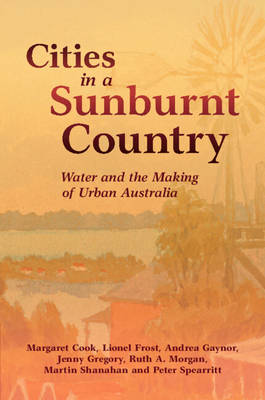
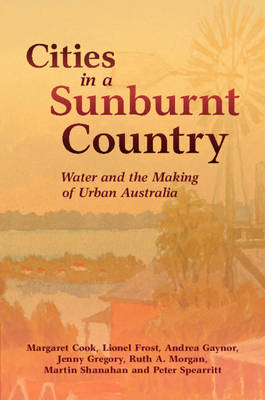
Cities in a Sunburnt Country
Water and the Making of Urban Australia
Margaret Cook, Lionel Frost, Andrea Gaynor
€ 57,95
+ 115 punten
Uitvoering
Eenvoudig bestellen
Veilig betalen


Gratis thuislevering vanaf € 30 (via bpost)
Gratis levering in je Standaard Boekhandel
Omschrijving
As Australian cities face uncertain water futures, what insights can the history of Aboriginal and settler relationships with water yield? Residents have come to expect reliable, safe, and cheap water, but natural limits and the costs of maintaining and expanding water networks are at odds with forms and cultures of urban water use. Cities in a Sunburnt Country is the first comparative study of the provision, use, and social impact of water and water infrastructure in Australia's five largest cities. Drawing on environmental, urban, and economic history, this co-authored book challenges widely held assumptions, both in Australia and around the world, about water management, consumption, and sustainability. From the 'living water' of Aboriginal cultures to the rise of networked water infrastructure, the book invites us to take a long view of how water has shaped our cities, and how urban water systems and cultures might weather a warming world.
Specificaties
Betrokkenen
- Auteur(s):
- Uitgeverij:
Inhoud
- Aantal bladzijden:
- 298
- Taal:
- Engels
- Reeks:
Eigenschappen
- Productcode (EAN):
- 9781108926898
- Verschijningsdatum:
- 27/02/2025
- Uitvoering:
- Paperback
- Formaat:
- Trade paperback (VS)
- Afmetingen:
- 152 mm x 229 mm
- Gewicht:
- 403 g


Alleen bij Standaard Boekhandel
+ 115 punten op je klantenkaart van Standaard Boekhandel
CADEAU

AANGERADEN


Beoordelingen
We publiceren alleen reviews die voldoen aan de voorwaarden voor reviews. Bekijk onze voorwaarden voor reviews.