


- Afhalen na 1 uur in een winkel met voorraad
- Gratis thuislevering in België vanaf € 30
- Ruim aanbod met 7 miljoen producten
- Afhalen na 1 uur in een winkel met voorraad
- Gratis thuislevering in België vanaf € 30
- Ruim aanbod met 7 miljoen producten





€ 223,95
+ 447 punten
Omschrijving
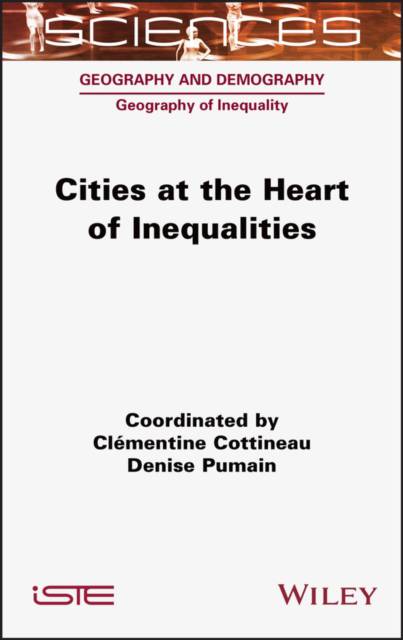
Cities have become the major habitat for human societies. They are also the places where the starkest social inequalities show up. Income, social, land and housing inequalities shape the built environment and living conditions of different neighborhoods of cities, and in return, unequal access to services, environmental quality and favorable health conditions in different neighborhoods and cities fuel the reproduction of interpersonal inequalities.
This book examines how inequalities are produced and reproduced both within and between cities. In particular, we review land rent and social segregation theories from diverse disciplinary references and through examples taken from around the world. The attraction of urban centralities, which is further reinforced by the growing financialization of property and urban capital, is also analyzed through the lens of its influence on rent-seeking mechanisms and the ever increasing pressure of population migration.
This book examines how inequalities are produced and reproduced both within and between cities. In particular, we review land rent and social segregation theories from diverse disciplinary references and through examples taken from around the world. The attraction of urban centralities, which is further reinforced by the growing financialization of property and urban capital, is also analyzed through the lens of its influence on rent-seeking mechanisms and the ever increasing pressure of population migration.
Specificaties
Betrokkenen
- Auteur(s):
- Uitgeverij:
Inhoud
- Aantal bladzijden:
- 256
- Taal:
- Engels
Eigenschappen
- Productcode (EAN):
- 9781789450637
- Verschijningsdatum:
- 28/06/2022
- Uitvoering:
- Hardcover
- Formaat:
- Genaaid
- Afmetingen:
- 156 mm x 234 mm
- Gewicht:
- 535 g



Alleen bij Standaard Boekhandel
+ 447 punten op je klantenkaart van Standaard Boekhandel
AANGERADEN


Beoordelingen
We publiceren alleen reviews die voldoen aan de voorwaarden voor reviews. Bekijk onze voorwaarden voor reviews.