


- Afhalen na 1 uur in een winkel met voorraad
- Gratis thuislevering in België vanaf € 30
- Ruim aanbod met 7 miljoen producten
- Afhalen na 1 uur in een winkel met voorraad
- Gratis thuislevering in België vanaf € 30
- Ruim aanbod met 7 miljoen producten





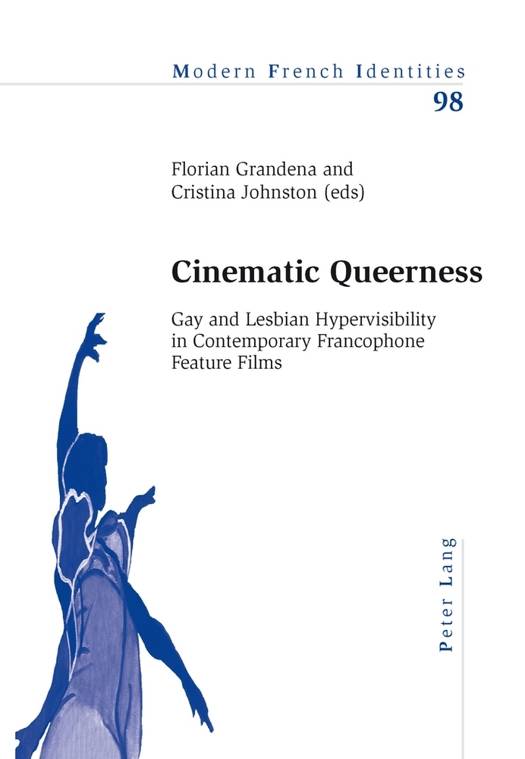
Cinematic Queerness; Gay and Lesbian Hypervisibility in Contemporary Francophone Feature Films
€ 77,95
+ 155 punten
Omschrijving
The last three decades have witnessed the proliferation of gay/lesbian-themed films both on our screens and at international film festivals. This trend - termed 'hypervisibility' by Julianne Pidduck - has gone far beyond the boundaries of countries with a multicultural tradition and now reaches many territories, including the French-speaking world. What is the narrative and thematic originality of such films in French-speaking contexts? Do such feature films develop problematics and approaches specific to areas such as metropolitan France or Francophone Canada?
The sixteen essays included in this collection (six in English and ten in French) aim to answer to such questions by offering in-depth and challenging discussions of film productions from France and Quebec, ranging from Patrice Chéreau's L'Homme blessé/The Wounded Man (1983) via Josiane Balasko's Gazon maudit (1995) to Jean-Marc Vallée's C.R.A.Z.Y. (2005). Works by Olivier Ducastel and Jacques Martineau, Sébastien Lifshitz, Gaël Morel, François Ozon and Léa Pool are also examined.
The sixteen essays included in this collection (six in English and ten in French) aim to answer to such questions by offering in-depth and challenging discussions of film productions from France and Quebec, ranging from Patrice Chéreau's L'Homme blessé/The Wounded Man (1983) via Josiane Balasko's Gazon maudit (1995) to Jean-Marc Vallée's C.R.A.Z.Y. (2005). Works by Olivier Ducastel and Jacques Martineau, Sébastien Lifshitz, Gaël Morel, François Ozon and Léa Pool are also examined.
Specificaties
Betrokkenen
- Uitgeverij:
Inhoud
- Aantal bladzijden:
- 350
- Taal:
- Duits
- Reeks:
- Reeksnummer:
- nr. 98
Eigenschappen
- Productcode (EAN):
- 9783034301831
- Verschijningsdatum:
- 16/04/2011
- Uitvoering:
- Paperback
- Formaat:
- Trade paperback (VS)
- Afmetingen:
- 152 mm x 229 mm
- Gewicht:
- 485 g

Alleen bij Standaard Boekhandel
+ 155 punten op je klantenkaart van Standaard Boekhandel
Cadeau

AANGERADEN


Beoordelingen
We publiceren alleen reviews die voldoen aan de voorwaarden voor reviews. Bekijk onze voorwaarden voor reviews.