


- Afhalen na 1 uur in een winkel met voorraad
- Gratis thuislevering in België vanaf € 30
- Ruim aanbod met 7 miljoen producten
- Afhalen na 1 uur in een winkel met voorraad
- Gratis thuislevering in België vanaf € 30
- Ruim aanbod met 7 miljoen producten





€ 67,95
+ 135 punten
Omschrijving
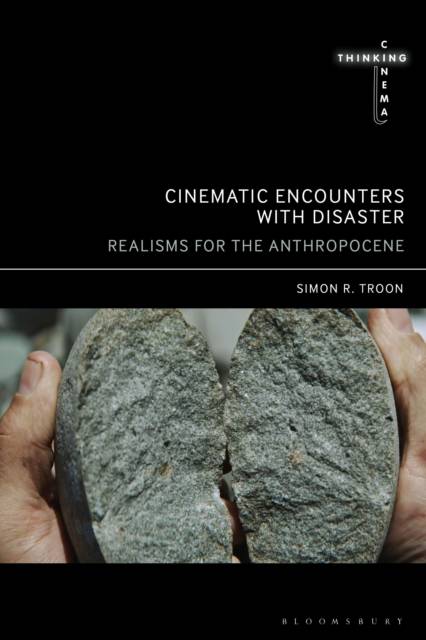
Cinematic Encounters with Disaster takes Hollywood's disaster movies and their codified versions of natural disaster, post-apocalyptic survival, and extra-terrestrial threat as the starting point for an analytical trajectory that works toward new understandings of how cinema shapes and informs our conceptions of disaster and catastrophe. It examines a range of films from distinct regional and industrial contexts: Hollywood, indie movies, different kinds of documentaries from the US and elsewhere, and auteurist-realist cinema from Europe and Asia. Moving across and beyond critical and industrial categories that often inform thinking about cinema, this book contends that different approaches to film style can push us to imagine disaster in distinct ways, with distinct ethical connotations.
Framed by contemporary concerns around the global climate crisis and the advent of the Anthropocene, questions about how films can best offer responses to historical exigency guide the book's explorations of spectacular 2010s blockbusters like Gravity (2013) and San Andreas (2015), environmental documentaries including the paradigmatic An Inconvenient Truth (2006), post-disaster films by auteurs including Abbas Kiarostami and Lav Diaz, and more. Conceiving of disaster as intersubjective ethics between humans and nonhuman alterity - forces of nature, errant technology, monsters, ghosts, and other entities - it analyses how formal techniques and narrative strategies render encounters in which human protagonists are confronted with the threat of death and respond in ways that can be instructive for our planet's present juncture.
Framed by contemporary concerns around the global climate crisis and the advent of the Anthropocene, questions about how films can best offer responses to historical exigency guide the book's explorations of spectacular 2010s blockbusters like Gravity (2013) and San Andreas (2015), environmental documentaries including the paradigmatic An Inconvenient Truth (2006), post-disaster films by auteurs including Abbas Kiarostami and Lav Diaz, and more. Conceiving of disaster as intersubjective ethics between humans and nonhuman alterity - forces of nature, errant technology, monsters, ghosts, and other entities - it analyses how formal techniques and narrative strategies render encounters in which human protagonists are confronted with the threat of death and respond in ways that can be instructive for our planet's present juncture.
Specificaties
Betrokkenen
- Auteur(s):
- Uitgeverij:
Inhoud
- Aantal bladzijden:
- 216
- Taal:
- Engels
- Reeks:
Eigenschappen
- Productcode (EAN):
- 9798765101544
- Verschijningsdatum:
- 22/01/2026
- Uitvoering:
- Paperback
- Formaat:
- Trade paperback (VS)
- Afmetingen:
- 152 mm x 229 mm
- Gewicht:
- 299 g


Alleen bij Standaard Boekhandel
+ 135 punten op je klantenkaart van Standaard Boekhandel
Cadeau

AANGERADEN


Beoordelingen
We publiceren alleen reviews die voldoen aan de voorwaarden voor reviews. Bekijk onze voorwaarden voor reviews.