


- Afhalen na 1 uur in een winkel met voorraad
- Gratis thuislevering in België vanaf € 30
- Ruim aanbod met 7 miljoen producten
- Afhalen na 1 uur in een winkel met voorraad
- Gratis thuislevering in België vanaf € 30
- Ruim aanbod met 7 miljoen producten





€ 183,45
+ 366 punten
Uitvoering
Omschrijving
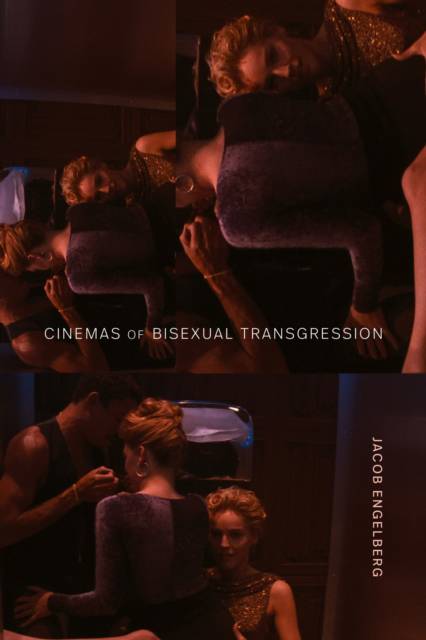
In Cinemas of Bisexual Transgression, Jacob Engelberg makes the case for radically recalibrating queer film studies, taking as a starting point those cinematic figures who resist categorization within the gay-straight binary. Engelberg's engagement with bisexual transgression on film illuminates the mutability and instability of sexuality, and of sociocultural structures more broadly by resisting the censure of images as politically harmful as well as the celebration of transgression as inherently subversive. Instead, Engelberg understands bisexual transgression as a process whereby sociocultural rules are made knowable by being contested. From 1970s vampire films to 1990s erotic thrillers, from lesbian imaginings of female bisexuality to European art cinema's reckonings with HIV/AIDS, bisexual figures on film embody anxieties around the precarity of binary sexuality while revealing the contingencies of sexuality's cinematic signification. Revivifying the underexploited contributions of bisexual theory, Cinemas of Bisexual Transgression proposes a new mode of film theorization and analysis that examines the rich space between and beyond dominant categories of sexual organization, where sexual unpredictability, the allure of the forbidden, and the precarity of sexual signification are illuminated.
Specificaties
Betrokkenen
- Auteur(s):
- Uitgeverij:
Inhoud
- Aantal bladzijden:
- 350
- Taal:
- Engels
- Reeks:
Eigenschappen
- Productcode (EAN):
- 9781478029526
- Verschijningsdatum:
- 6/01/2026
- Uitvoering:
- Hardcover
- Formaat:
- Genaaid
- Afmetingen:
- 152 mm x 229 mm
- Gewicht:
- 802 g



Alleen bij Standaard Boekhandel
+ 366 punten op je klantenkaart van Standaard Boekhandel
Cadeau

AANGERADEN


Beoordelingen
We publiceren alleen reviews die voldoen aan de voorwaarden voor reviews. Bekijk onze voorwaarden voor reviews.