


- Afhalen na 1 uur in een winkel met voorraad
- Gratis thuislevering in België vanaf € 30
- Ruim aanbod met 7 miljoen producten
- Afhalen na 1 uur in een winkel met voorraad
- Gratis thuislevering in België vanaf € 30
- Ruim aanbod met 7 miljoen producten





€ 53,45
+ 106 punten
Omschrijving
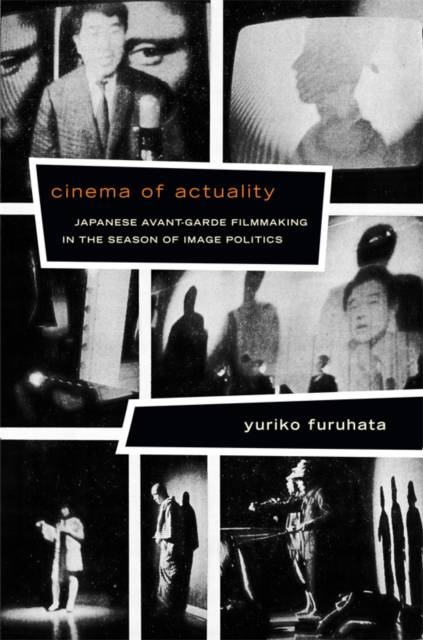
During the 1960s and early 1970s, Japanese avant-garde filmmakers intensely explored the shifting role of the image in political activism and media events. Known as the "season of politics," the era was filled with widely covered dramatic events from hijackings and hostage crises to student protests. This season of politics was, Yuriko Furuhata argues, the season of image politics. Well-known directors, including Oshima Nagisa, Matsumoto Toshio, Wakamatsu Kōji, and Adachi Masao, appropriated the sensationalized media coverage of current events, turning news stories into material for timely critique and intermedial experimentation. Cinema of Actuality analyzes Japanese avant-garde filmmakers' struggle to radicalize cinema in light of the intensifying politics of spectacle and a rapidly changing media environment, one that was increasingly dominated by television. Furuhata demonstrates how avant-garde filmmaking intersected with media history, and how sophisticated debates about film theory emerged out of dialogues with photography, television, and other visual arts.
Specificaties
Betrokkenen
- Auteur(s):
- Uitgeverij:
Inhoud
- Aantal bladzijden:
- 280
- Taal:
- Engels
- Reeks:
Eigenschappen
- Productcode (EAN):
- 9780822355045
- Verschijningsdatum:
- 13/09/2013
- Uitvoering:
- Paperback
- Formaat:
- Trade paperback (VS)
- Afmetingen:
- 155 mm x 234 mm
- Gewicht:
- 408 g


Alleen bij Standaard Boekhandel
+ 106 punten op je klantenkaart van Standaard Boekhandel
Cadeau

AANGERADEN


Beoordelingen
We publiceren alleen reviews die voldoen aan de voorwaarden voor reviews. Bekijk onze voorwaarden voor reviews.