


- Afhalen na 1 uur in een winkel met voorraad
- Gratis thuislevering in België vanaf € 30
- Ruim aanbod met 7 miljoen producten
- Afhalen na 1 uur in een winkel met voorraad
- Gratis thuislevering in België vanaf € 30
- Ruim aanbod met 7 miljoen producten





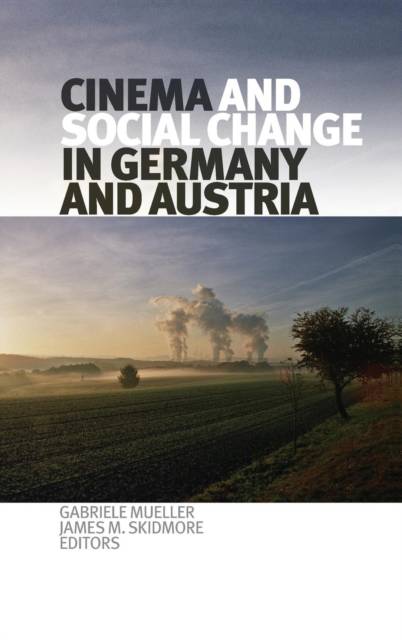
Cinema and Social Change in Germany and Austria
€ 144,95
+ 289 punten
Omschrijving
During the last decade, contemporary German and Austrian cinema has grappled with new social and economic realities. The "cinema of consensus," a term coined to describe the popular and commercially oriented filmmaking of the 1990s, has given way to a more heterogeneous and critical cinema culture. Making the greatest artistic impact since the 1970s, contemporary cinema is responding to questions of globalization and the effects of societal and economic change on the individual. This book explores this trend by investigating different thematic and aesthetic strategies and alternative methods of film production and distribution. Functioning both as a product and as an agent of globalizing processes, this new cinema mediates and influences important political and social debates. The contributors illuminate these processes through their analyses of cinema's intervention in discourses on such concepts as "national cinema," the effects of globalization on social mobility, and the emergence of a "global culture." The essays illustrate the variety and inventiveness of contemporary Austrian and German filmmaking and highlight the complicated interdependencies between global developments and local specificities. They confirm a broader trend toward a more complex, critical, and formally diverse cinematic scene. This book offers insights into the strategies employed by German and Austrian filmmakers to position themselves between the commercial pressures of the film industry and the desire to mediate or even attempt to affect social change. It will be of interest to scholars in film studies, cultural studies, and European studies.
Specificaties
Betrokkenen
- Uitgeverij:
Inhoud
- Aantal bladzijden:
- 314
- Taal:
- Engels
- Reeks:
Eigenschappen
- Productcode (EAN):
- 9781554582259
- Verschijningsdatum:
- 1/09/2012
- Uitvoering:
- Hardcover
- Formaat:
- Genaaid
- Afmetingen:
- 155 mm x 231 mm
- Gewicht:
- 544 g


Alleen bij Standaard Boekhandel
+ 289 punten op je klantenkaart van Standaard Boekhandel
Cadeau

AANGERADEN


Beoordelingen
We publiceren alleen reviews die voldoen aan de voorwaarden voor reviews. Bekijk onze voorwaarden voor reviews.