


- Afhalen na 1 uur in een winkel met voorraad
- Gratis thuislevering in België vanaf € 30
- Ruim aanbod met 7 miljoen producten
- Afhalen na 1 uur in een winkel met voorraad
- Gratis thuislevering in België vanaf € 30
- Ruim aanbod met 7 miljoen producten





€ 402,95
+ 805 punten
Omschrijving
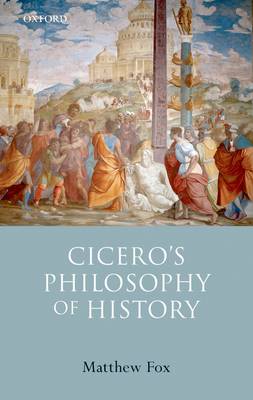
Cicero has long been seen to embody the values of the Roman republic. This provocative study of Cicero's use of history reveals that rather than promoting his own values, Cicero uses historical representation to explore the difficulties of finding any ideological coherence in Rome's political or cultural traditions. Matthew Fox looks to the scepticism of Cicero's philosophical education for an understanding of his perspective on Rome's history, and argues that neglect of the sceptical tradition has transformed the doubting, ambiguous Cicero into the confident proponent of Roman values. Through close reading of a range of his theoretical works, Fox uncovers an ironic attitude towards Roman history, and connects that to the use of irony in mainstream Latin historians. He concludes with a study of a little-known treatise on Cicero from the early eighteenth century which sheds considerable light on the history of Cicero's reception.
Specificaties
Betrokkenen
- Auteur(s):
- Uitgeverij:
Inhoud
- Aantal bladzijden:
- 368
- Taal:
- Engels
Eigenschappen
- Productcode (EAN):
- 9780199211920
- Verschijningsdatum:
- 17/11/2007
- Uitvoering:
- Hardcover
- Formaat:
- Genaaid
- Afmetingen:
- 140 mm x 216 mm
- Gewicht:
- 603 g


Alleen bij Standaard Boekhandel
+ 805 punten op je klantenkaart van Standaard Boekhandel
Cadeau

AANGERADEN


Beoordelingen
We publiceren alleen reviews die voldoen aan de voorwaarden voor reviews. Bekijk onze voorwaarden voor reviews.