


- Afhalen na 1 uur in een winkel met voorraad
- Gratis thuislevering in België vanaf € 30
- Ruim aanbod met 7 miljoen producten
- Afhalen na 1 uur in een winkel met voorraad
- Gratis thuislevering in België vanaf € 30
- Ruim aanbod met 7 miljoen producten





€ 36,95
+ 73 punten
Omschrijving
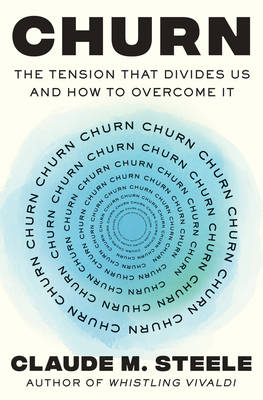
Nearly two decades after the publication of Whistling Vivaldi, a landmark work that analyzed stereotype threats and how we can mitigate their corrosive effects, the legendary social psychologist Claude M. Steele returns with an equally ambitious work that examines "churn"--the mental agitation and physical stress we can experience in diverse settings in everyday life--and the surprising role that trust-building can achieve in reducing churn across identity divides.
Opening with a striking vignette of a parent-teacher conference between a well-meaning white teacher and the concerned Black parents of a seventh grader, the book demonstrates how churn threatens the high level of trust that is essential to mentoring and teaching the young. Drawing from decades of psychological research, Churn is rich with examples, such as a young woman entering a boardroom as one of only a few women; a white male feeling conspicuous during an intense diversity training session; a Chinese grandmother shopping in a public market where anti-Asian violence has occurred; and the lessons gleaned from remarkable student improvement and graduation rates at Georgia State University.
Too often, we deal with the commonplace tensions of diversity and difference by pretending they don't exist, by avoiding talking and relating to one another across what can seem like wide chasms of identity difference. Steele highlights a different path forward, a path rooted in trying to see full humanity and potential in human difference. He spells out practices--as he puts it, "a game played on the ground"--for how to build trust across all kinds of human divides: between individuals, or in larger settings, like classrooms, board rooms, even in whole institutions, corporations, and organizations. It is a game we can all play, he believes. Churn doesn't dwell on age-old tensions that continue to fester. It provides tangible ways to make a better world in the fractured society we inhabit.
Carefully intertwining state-of-the-art research with poignant anecdotes drawn from Steele's own biracial background, Churn is essential reading for anyone dedicated to fostering a community rooted in love and commitment. "Wise to its core" (Lee C. Bollinger, president emeritus, Columbia University) and filled with a deep well of hope, Steele's summa work brilliantly succeeds in teaching us how to work through the churn that continues to suffuse our lives.
Opening with a striking vignette of a parent-teacher conference between a well-meaning white teacher and the concerned Black parents of a seventh grader, the book demonstrates how churn threatens the high level of trust that is essential to mentoring and teaching the young. Drawing from decades of psychological research, Churn is rich with examples, such as a young woman entering a boardroom as one of only a few women; a white male feeling conspicuous during an intense diversity training session; a Chinese grandmother shopping in a public market where anti-Asian violence has occurred; and the lessons gleaned from remarkable student improvement and graduation rates at Georgia State University.
Too often, we deal with the commonplace tensions of diversity and difference by pretending they don't exist, by avoiding talking and relating to one another across what can seem like wide chasms of identity difference. Steele highlights a different path forward, a path rooted in trying to see full humanity and potential in human difference. He spells out practices--as he puts it, "a game played on the ground"--for how to build trust across all kinds of human divides: between individuals, or in larger settings, like classrooms, board rooms, even in whole institutions, corporations, and organizations. It is a game we can all play, he believes. Churn doesn't dwell on age-old tensions that continue to fester. It provides tangible ways to make a better world in the fractured society we inhabit.
Carefully intertwining state-of-the-art research with poignant anecdotes drawn from Steele's own biracial background, Churn is essential reading for anyone dedicated to fostering a community rooted in love and commitment. "Wise to its core" (Lee C. Bollinger, president emeritus, Columbia University) and filled with a deep well of hope, Steele's summa work brilliantly succeeds in teaching us how to work through the churn that continues to suffuse our lives.
Specificaties
Betrokkenen
- Auteur(s):
- Uitgeverij:
Inhoud
- Aantal bladzijden:
- 224
- Taal:
- Engels
Eigenschappen
- Productcode (EAN):
- 9781324093442
- Verschijningsdatum:
- 3/03/2026
- Uitvoering:
- Hardcover
- Formaat:
- Genaaid
- Afmetingen:
- 142 mm x 211 mm
- Gewicht:
- 362 g


Alleen bij Standaard Boekhandel
+ 73 punten op je klantenkaart van Standaard Boekhandel
Cadeau

AANGERADEN


Beoordelingen
We publiceren alleen reviews die voldoen aan de voorwaarden voor reviews. Bekijk onze voorwaarden voor reviews.