


- Afhalen na 1 uur in een winkel met voorraad
- Gratis thuislevering in België vanaf € 30
- Ruim aanbod met 7 miljoen producten
- Afhalen na 1 uur in een winkel met voorraad
- Gratis thuislevering in België vanaf € 30
- Ruim aanbod met 7 miljoen producten




Omschrijving
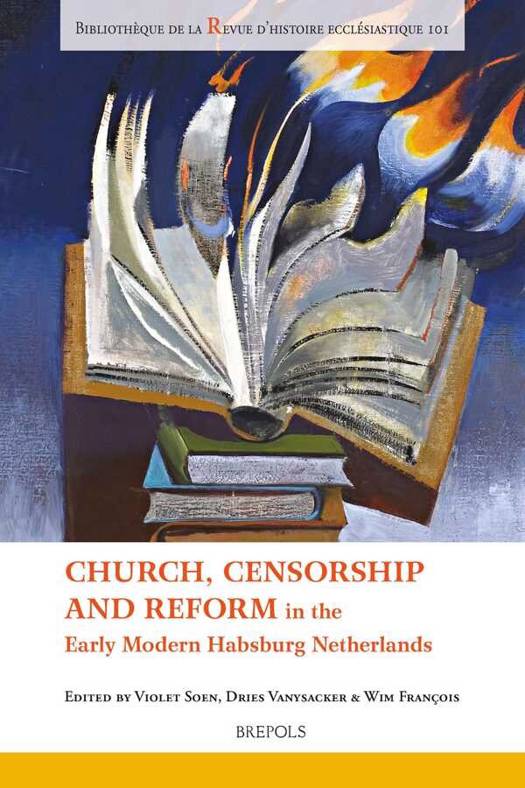
In recent years, historiography has come to rethink the traditional account of a state-backed Counter-Reformation in the early modern Habsburg Netherlands. Hence, this volume takes a refreshing perspective on the themes of church and reform in this region from the late fifteenth century onwards. The first part interrogates the dynamics of repression and censorship in matters of religion. Six chapters underline that this censorship was not only state- or church-driven, but performed by a multitude of actors, ranging from professional organisations to university theologians. Throughout the Ancient Regime, this resulted in an institutionally and regionally fragmented policy, opening margins of manoeuver for those concerned. A second part focuses on more internal impulses for Catholic Reform in the sixteenth century, especially those created by the Council of Trent. As such, this volume helps to contextualise the Counter-Reformation of the seventeenth century in a long-term perspective, identifying the myriad of actors and motives behind this Catholic revival.
Specificaties
Betrokkenen
- Auteur(s):
- Uitgeverij:
Inhoud
- Aantal bladzijden:
- 240
- Taal:
- Engels
- Reeks:
- Reeksnummer:
- nr. 101
Eigenschappen
- Productcode (EAN):
- 9782503567518
- Verschijningsdatum:
- 8/11/2017
- Uitvoering:
- Paperback
- Formaat:
- Trade paperback (VS)
- Afmetingen:
- 155 mm x 234 mm
- Gewicht:
- 430 g


Alleen bij Standaard Boekhandel
+ 148 punten op je klantenkaart van Standaard Boekhandel
Cadeau

AANGERADEN


Beoordelingen
We publiceren alleen reviews die voldoen aan de voorwaarden voor reviews. Bekijk onze voorwaarden voor reviews.