


- Afhalen na 1 uur in een winkel met voorraad
- Gratis thuislevering in België vanaf € 30
- Ruim aanbod met 7 miljoen producten
- Afhalen na 1 uur in een winkel met voorraad
- Gratis thuislevering in België vanaf € 30
- Ruim aanbod met 7 miljoen producten





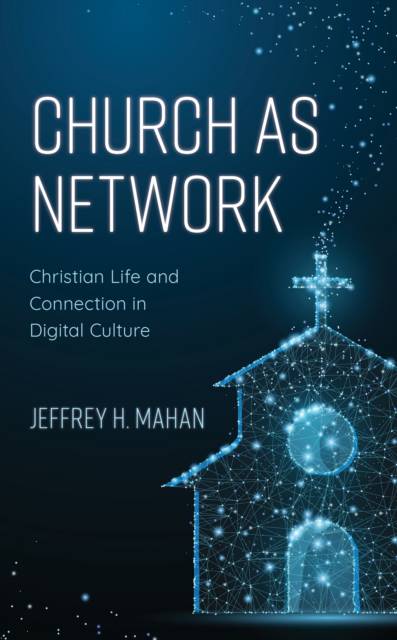
Church as Network
Christian Life and Connection in Digital Culture
Jeffrey H Mahan
Paperback | Engels
€ 50,95
Uitvoering
Omschrijving
Just as the emergence of print and literacy created conditions for vast religious change at the time of the Reformation, the emergence of a digital culture shaped by computers and the internet has led to radically different assumptions about religious identity, how people connect and maintain transformative relationships, and how people follow and give authority to leaders. The central issues concerning this digital culture are not technological but theological and anthropological. Old models of stable religious identity and community seem irrelevant in a culture in which everyone is in motion. The book identifies three profound changes produced by digital culture which challenge existing understandings of church: 1) a shift to seeing Christian identity as an ongoing constructive project, 2) the development of fluid networked forms of community, and 3) the emergence of less hierarchical more conversational forms of leadership.
Specificaties
Betrokkenen
- Auteur(s):
- Uitgeverij:
Inhoud
- Aantal bladzijden:
- 174
- Taal:
- Engels
Eigenschappen
- Productcode (EAN):
- 9781538135808
- Verschijningsdatum:
- 15/12/2021
- Uitvoering:
- Paperback
- Formaat:
- Trade paperback (VS)
- Afmetingen:
- 152 mm x 229 mm
- Gewicht:
- 240 g


Alleen bij Standaard Boekhandel
Cadeau

AANGERADEN


Beoordelingen
We publiceren alleen reviews die voldoen aan de voorwaarden voor reviews. Bekijk onze voorwaarden voor reviews.