


- Afhalen na 1 uur in een winkel met voorraad
- Gratis thuislevering in België vanaf € 30
- Ruim aanbod met 7 miljoen producten
- Afhalen na 1 uur in een winkel met voorraad
- Gratis thuislevering in België vanaf € 30
- Ruim aanbod met 7 miljoen producten





€ 56,95
+ 113 punten
Omschrijving
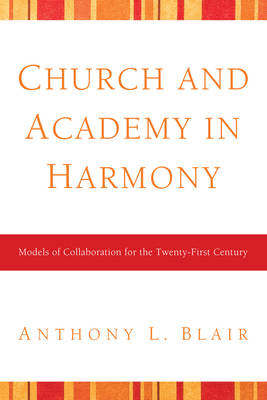
Why do church leaders and the leaders of their institutions of higher learning seem to speak different languages? Why are relationships between church and academy so filled with tension and misunderstanding? This insightful and provocative volume, written by one with leadership experience in both camps, explains those dynamics. Tony Blair parses the cultural and theological trends that have created this gap in recent decades and notes how those same patterns yet offer hope for the future. Blair delineates five models of more collaborative relationships between church and academy, three of which are drawn from the creative positioning of existing institutions that serve as case studies, and two of which describe the academy of the future. For church and university leaders alike, as well as all those who care about the relationship of these two essential institutions in the fulfillment of God's kingdom, Church and Academy in Harmony offers a readable and intelligent analysis.
Specificaties
Betrokkenen
- Auteur(s):
- Uitgeverij:
Inhoud
- Aantal bladzijden:
- 142
- Taal:
- Engels
Eigenschappen
- Productcode (EAN):
- 9781498256490
- Verschijningsdatum:
- 1/08/2010
- Uitvoering:
- Hardcover
- Formaat:
- Genaaid
- Afmetingen:
- 140 mm x 216 mm
- Gewicht:
- 312 g


Alleen bij Standaard Boekhandel
+ 113 punten op je klantenkaart van Standaard Boekhandel
Cadeau

AANGERADEN


Beoordelingen
We publiceren alleen reviews die voldoen aan de voorwaarden voor reviews. Bekijk onze voorwaarden voor reviews.