


- Afhalen na 1 uur in een winkel met voorraad
- Gratis thuislevering in België vanaf € 30
- Ruim aanbod met 7 miljoen producten
- Afhalen na 1 uur in een winkel met voorraad
- Gratis thuislevering in België vanaf € 30
- Ruim aanbod met 7 miljoen producten





€ 69,45
+ 138 punten
Omschrijving
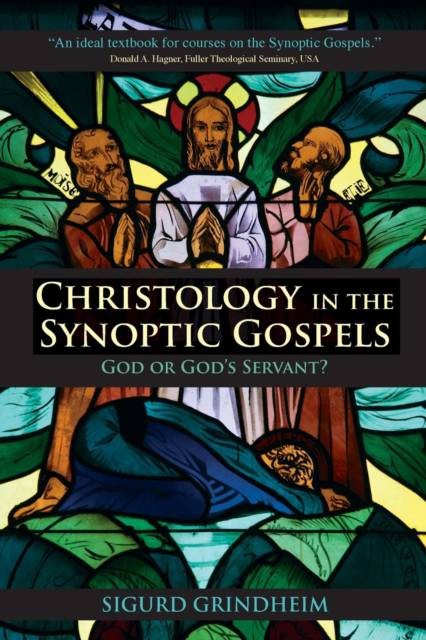
When Mark, Matthew, and Luke decided to give a written account of Jesus Christ, they were faced with a formidable challenge. How could they tell the story of the man who spoke and acted like God? They used several titles, such as 'prophet', 'Messiah', 'Son of God', 'Son of Man', 'Servant of the Lord', and even 'Lord' itself. But none of these really did justice to the person of Jesus. Through a carefully crafted narrative, the synoptic evangelists painted pictures of Jesus that went beyond all of Israel's expectations and showed a man who was God's humble, suffering servant and at the same time God's equal. Sigurd Grindheim shows how the Synoptic Evangelists reinterpreted Israel's hopes in light of the Jesus story. He shows how they went beyond Old Testament and Jewish material regarding the messiah, drawing heavily upon the expectations of God's own intervention in history. The result is a picture of Jesus who fulfills all of Israel's hopes, not only those relating to God's eschatological agent, but also those pertaining to God himself.
Specificaties
Betrokkenen
- Auteur(s):
- Uitgeverij:
Inhoud
- Aantal bladzijden:
- 232
- Taal:
- Engels
Eigenschappen
- Productcode (EAN):
- 9780567246578
- Verschijningsdatum:
- 22/03/2012
- Uitvoering:
- Paperback
- Formaat:
- Trade paperback (VS)
- Afmetingen:
- 155 mm x 231 mm
- Gewicht:
- 385 g


Alleen bij Standaard Boekhandel
+ 138 punten op je klantenkaart van Standaard Boekhandel
Cadeau

AANGERADEN


Beoordelingen
We publiceren alleen reviews die voldoen aan de voorwaarden voor reviews. Bekijk onze voorwaarden voor reviews.