


- Afhalen na 1 uur in een winkel met voorraad
- Gratis thuislevering in België vanaf € 30
- Ruim aanbod met 7 miljoen producten
- Afhalen na 1 uur in een winkel met voorraad
- Gratis thuislevering in België vanaf € 30
- Ruim aanbod met 7 miljoen producten





€ 33,95
+ 67 punten
Omschrijving
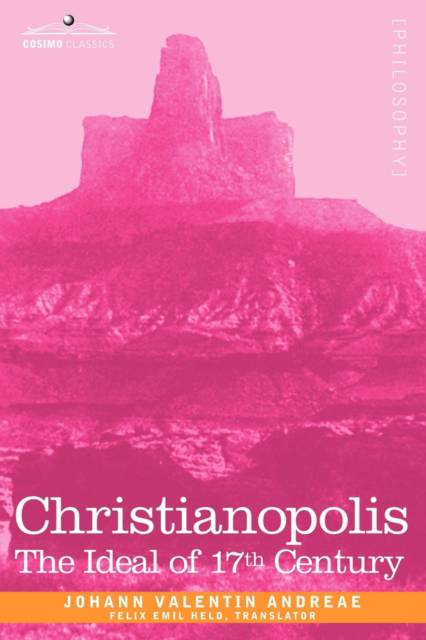
Pondering the characteristics of Utopias and constructing theoretical examples of them has been an intellectual exercise to thrill thinkers at least since the time of Plato's Republic. Christianopolis is the little known Utopia created by German theologian and scholar JOHANN VALENTIN ANDREAE (1586-1654). A mysterious figure associated with alchemy, Kabbalah, Rosicrucianism, and other philosophical esoterica of the 17th century, Andreae published this intriguing guide to his "perfect" society in 1618. Informed by a rigid brand of Christian socialism, Christianopolis also features a high regard for teachers, and approaches the world from both a scientific and artistic perspective. Translated in 1916 from the original Latin by University of Miami, Ohio, professor of German FELIX EMIL HELD (1880-1944), who rounds out the volume with an extensive historical introduction, this is a highly readable work that will enthrall students of philosophy, classic literature, sociology, and metaphysics.
Specificaties
Betrokkenen
- Auteur(s):
- Vertaler(s):
- Uitgeverij:
Inhoud
- Aantal bladzijden:
- 312
- Taal:
- Engels
Eigenschappen
- Productcode (EAN):
- 9781602068865
- Verschijningsdatum:
- 1/11/2007
- Uitvoering:
- Paperback
- Formaat:
- Trade paperback (VS)
- Afmetingen:
- 152 mm x 229 mm
- Gewicht:
- 458 g


Alleen bij Standaard Boekhandel
+ 67 punten op je klantenkaart van Standaard Boekhandel
Cadeau

AANGERADEN


Beoordelingen
We publiceren alleen reviews die voldoen aan de voorwaarden voor reviews. Bekijk onze voorwaarden voor reviews.