



Je cadeautjes zeker op tijd in huis hebben voor de feestdagen? Kom langs in onze winkels en vind het perfecte geschenk!
- Afhalen na 1 uur in een winkel met voorraad
- Gratis thuislevering in België vanaf € 30
- Ruim aanbod met 7 miljoen producten
Je cadeautjes zeker op tijd in huis hebben voor de feestdagen? Kom langs in onze winkels en vind het perfecte geschenk!
- Afhalen na 1 uur in een winkel met voorraad
- Gratis thuislevering in België vanaf € 30
- Ruim aanbod met 7 miljoen producten





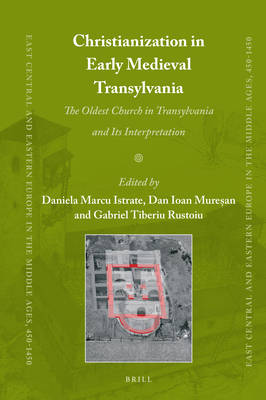
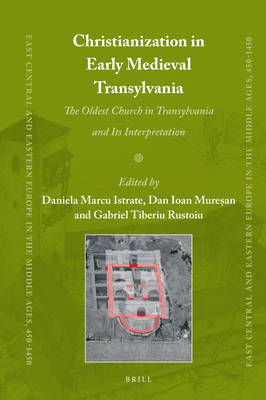
Christianization in Early Medieval Transylvania
A Church Discovered in Alba Iulia and Its Interpretations
€ 256,95
+ 513 punten
Omschrijving
Little is known about the Christianization of east-central and eastern Europe, due to the fragmentary nature of the historical record. Yet occasionally, unexpected archaeological discoveries can offer fresh angles and new insights. This volume presents such an example: the discovery of a Byzantine-like church in Alba Iulia, Transylvania, dating from the 10th century - a unique find in terms of both age and function. Next to its ruins, another church was built at the end of the 11th century, following a Roman Catholic architectural model, soon to become the seat of the Latin bishopric of Transylvania.
Who built the older, Byzantine-style church, and what was the political, religious and cultural context of the church? How does this new discovery affect our perception of the ecclesiastical history of Transylvania? A new reading of the archaeological and historical record prompted by these questions is presented here, thereby opening up new challenges for further research.
Contributors are: Daniela Marcu Istrate, Florin Curta, Horia I. Ciugudean, Aurel Dragotă, Monica-Elena Popescu, Călin Cosma, Tudor Sălăgean, Jan Nicolae, Dan Ioan Mureșan, Alexandru Madgearu, Gábor Thoroczkay, Éva Tóth-Révész, Boris Stojkovski, Șerban Turcuș, Adinel C. Dincă, Mihai Kovács, Nicolae Călin Chifăr, Marius Mihail Păsculescu, and Ana Dumitran.
Who built the older, Byzantine-style church, and what was the political, religious and cultural context of the church? How does this new discovery affect our perception of the ecclesiastical history of Transylvania? A new reading of the archaeological and historical record prompted by these questions is presented here, thereby opening up new challenges for further research.
Contributors are: Daniela Marcu Istrate, Florin Curta, Horia I. Ciugudean, Aurel Dragotă, Monica-Elena Popescu, Călin Cosma, Tudor Sălăgean, Jan Nicolae, Dan Ioan Mureșan, Alexandru Madgearu, Gábor Thoroczkay, Éva Tóth-Révész, Boris Stojkovski, Șerban Turcuș, Adinel C. Dincă, Mihai Kovács, Nicolae Călin Chifăr, Marius Mihail Păsculescu, and Ana Dumitran.
Specificaties
Betrokkenen
- Uitgeverij:
Inhoud
- Aantal bladzijden:
- 524
- Taal:
- Engels
- Reeks:
- Reeksnummer:
- nr. 83
Eigenschappen
- Productcode (EAN):
- 9789004515772
- Verschijningsdatum:
- 23/06/2022
- Uitvoering:
- Hardcover
- Formaat:
- Genaaid
- Afmetingen:
- 157 mm x 236 mm
- Gewicht:
- 1156 g

Alleen bij Standaard Boekhandel
+ 513 punten op je klantenkaart van Standaard Boekhandel
CADEAU


Beoordelingen
We publiceren alleen reviews die voldoen aan de voorwaarden voor reviews. Bekijk onze voorwaarden voor reviews.