


- Afhalen na 1 uur in een winkel met voorraad
- Gratis thuislevering in België vanaf € 30
- Ruim aanbod met 7 miljoen producten
- Afhalen na 1 uur in een winkel met voorraad
- Gratis thuislevering in België vanaf € 30
- Ruim aanbod met 7 miljoen producten





€ 103,95
+ 207 punten
Omschrijving
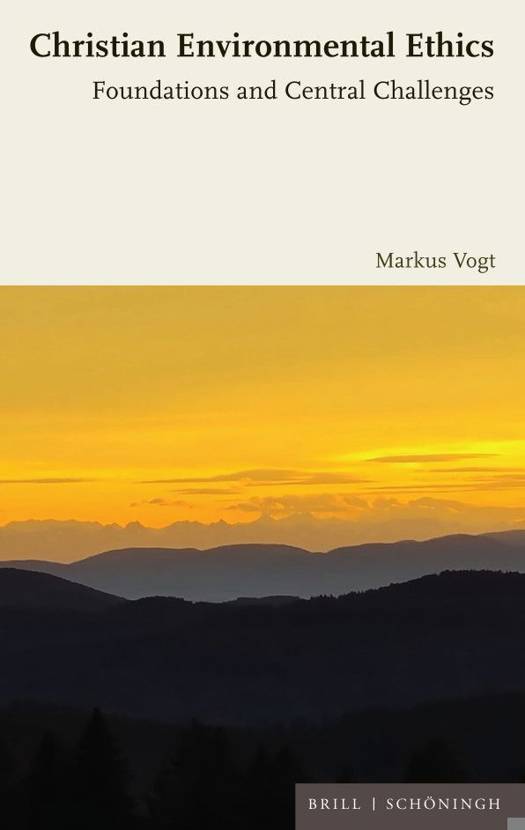
Theology and ethics have increasingly established themselves as important voices in the environmental discourse. The necessary "Great Transformation" does not primarily lack ecological knowledge, technical possibilities and political decisions, but rather a deeper-seated change in basic cultural attitudes. Against this background, this book develops a systematic reflection on environmental ethics. At first, the eye is sharpened for typical patterns, blind spots, but also tasks and competencies of ethics in the complex crisis discourse. In the theological approach, dynamic, creation-theological and interreligious aspects of eco-ethics are taken up as well as developments in the teaching authority, which have found a new level of quality in the encyclical Laudato si'. In this way, the book explores the nascent research field of ecological transformation environmental ethics and offers a comprehensive compendium textbook of environmental ethics knowledge.
Specificaties
Betrokkenen
- Auteur(s):
- Uitgeverij:
Inhoud
- Aantal bladzijden:
- 496
- Taal:
- Engels
Eigenschappen
- Productcode (EAN):
- 9783506790804
- Verschijningsdatum:
- 10/11/2023
- Uitvoering:
- Hardcover
- Formaat:
- Genaaid
- Afmetingen:
- 164 mm x 38 mm
- Gewicht:
- 993 g


Alleen bij Standaard Boekhandel
+ 207 punten op je klantenkaart van Standaard Boekhandel
Cadeau

AANGERADEN


Beoordelingen
We publiceren alleen reviews die voldoen aan de voorwaarden voor reviews. Bekijk onze voorwaarden voor reviews.