


- Afhalen na 1 uur in een winkel met voorraad
- Gratis thuislevering in België vanaf € 30
- Ruim aanbod met 7 miljoen producten
- Afhalen na 1 uur in een winkel met voorraad
- Gratis thuislevering in België vanaf € 30
- Ruim aanbod met 7 miljoen producten





€ 48,45
+ 96 punten
Omschrijving
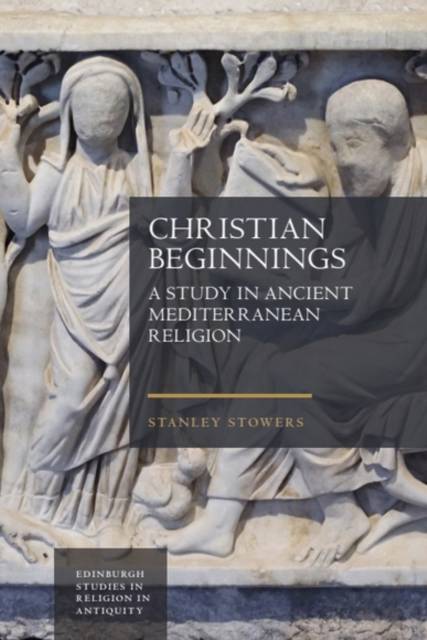
Instead of treating Christianity as continuing a utterly unique Judaism alien to Mediterranean religion, the book argues for a pervasive religious dynamic based on three modes; the religion of everyday social exchange, civic religion and the religion of freelance literate experts. These modes that cut across ethnically defined cultures such as Judean, Greek and Roman open a window onto a new way of reading the earliest Christian literature and of explaining its religiosity. The chapters lay out the theory and then illustrate it in various ways with essays on the letters of Paul, the Gospel of Matthew and issues surrounding the study of Christian beginnings. This approach provides a different way to understand Judaism and Christianity within Mediterranean religion and its intellectual cultures by drawing on powerful new tools for theorizing religion more broadly.
Specificaties
Betrokkenen
- Auteur(s):
- Uitgeverij:
Inhoud
- Aantal bladzijden:
- 384
- Taal:
- Engels
- Reeks:
Eigenschappen
- Productcode (EAN):
- 9781399510073
- Verschijningsdatum:
- 31/12/2025
- Uitvoering:
- Paperback
- Formaat:
- Trade paperback (VS)
- Afmetingen:
- 156 mm x 234 mm
- Gewicht:
- 500 g


Alleen bij Standaard Boekhandel
+ 96 punten op je klantenkaart van Standaard Boekhandel
Cadeau

AANGERADEN


Beoordelingen
We publiceren alleen reviews die voldoen aan de voorwaarden voor reviews. Bekijk onze voorwaarden voor reviews.