


- Afhalen na 1 uur in een winkel met voorraad
- Gratis thuislevering in België vanaf € 30
- Ruim aanbod met 7 miljoen producten
- Afhalen na 1 uur in een winkel met voorraad
- Gratis thuislevering in België vanaf € 30
- Ruim aanbod met 7 miljoen producten




€ 92,45
+ 184 punten
Uitvoering
Omschrijving
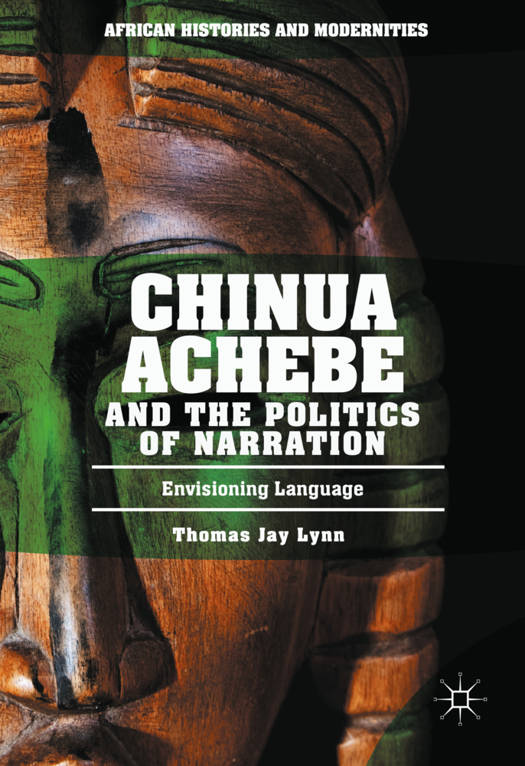
This book examines vital intersections of narration, linguistic innovation, and political insight that distinguish Chinua Achebe's fiction as well as his non-fiction commentaries. Each chapter focuses on a different aspect of these intersections: Achebe's narrative response to Western authors who have written on Africa, his integration of Igbo folklore, the political implications of writing African literature in English, his use of Nigerian Pidgin, and the Nigerian Civil War. It also addresses the teaching of Achebe's works. Achebe drew on diverse resources to offer searching psychological and political insights that contribute not only a decidedly African political viewpoint to the modern novel, but also a more inclusive narrative consciousness. Achebe's adaptations of Igbo oral art are intrinsic to his writing's political engagement because they assert the integrity and authority of the African voice in a global order defined by colonialism. This book reveals how his work has helped to restructure a global vision of Africa.
Specificaties
Betrokkenen
- Auteur(s):
- Uitgeverij:
Inhoud
- Aantal bladzijden:
- 176
- Taal:
- Engels
- Reeks:
Eigenschappen
- Productcode (EAN):
- 9783319513300
- Verschijningsdatum:
- 28/07/2017
- Uitvoering:
- Hardcover
- Formaat:
- Genaaid
- Afmetingen:
- 148 mm x 210 mm
- Gewicht:
- 381 g


Alleen bij Standaard Boekhandel
+ 184 punten op je klantenkaart van Standaard Boekhandel
AANGERADEN


Beoordelingen
We publiceren alleen reviews die voldoen aan de voorwaarden voor reviews. Bekijk onze voorwaarden voor reviews.