


- Afhalen na 1 uur in een winkel met voorraad
- Gratis thuislevering in België vanaf € 30
- Ruim aanbod met 7 miljoen producten
- Afhalen na 1 uur in een winkel met voorraad
- Gratis thuislevering in België vanaf € 30
- Ruim aanbod met 7 miljoen producten





€ 149,95
+ 299 punten
Omschrijving
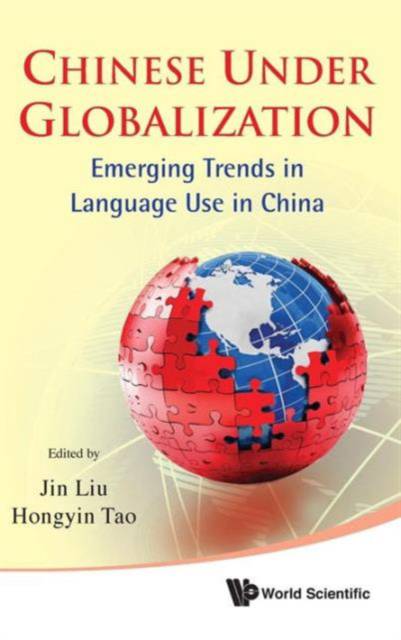
As China experiences tremendous economic and social transformation in the reform years, language use in China has also undergone remarkable changes in the past couple decades: the national obsession with learning the global English, which becomes both a resource for modernization and a source of contention; the expanding use of local languages and dialects in mass media, where standard Mandarin is promoted and legally prescribed as the principal language; the emergence of the Internet language that has become a creative source for constructing a distinct youth identity; the Cantonese writing movement that challenges the hegemony of the Chinese writing system, which is traditionally based on northern Mandarin, to name a few. The nine papers collected in this volume examine recent trends in language use in mainland China, and the associated social, economic, political, and cultural manifestations. Drawing on their backgrounds and expertise in sociolinguistics, cognitive linguistics, linguistic anthropology, and cultural studies, the authors offer interdisciplinary, insightful, and critical analysis of linguistic struggles and linguistic politics in contemporary China.As such, the carefully presented details of emerging language use in this book will be of value to scholars interested in language and culture in contemporary China. It may be used as a supplementary text for students in Chinese (socio-)linguistics, Chinese language, Chinese cultural studies, Chinese anthropology, Chinese sociology, and Chinese studies in general.
Specificaties
Betrokkenen
- Auteur(s):
- Uitgeverij:
Inhoud
- Aantal bladzijden:
- 224
- Taal:
- Engels
Eigenschappen
- Productcode (EAN):
- 9789814350693
- Verschijningsdatum:
- 31/03/2012
- Uitvoering:
- Hardcover
- Formaat:
- Genaaid
- Afmetingen:
- 152 mm x 229 mm
- Gewicht:
- 539 g


Alleen bij Standaard Boekhandel
+ 299 punten op je klantenkaart van Standaard Boekhandel
Cadeau

AANGERADEN


Beoordelingen
We publiceren alleen reviews die voldoen aan de voorwaarden voor reviews. Bekijk onze voorwaarden voor reviews.