


- Afhalen na 1 uur in een winkel met voorraad
- Gratis thuislevering in België vanaf € 30
- Ruim aanbod met 7 miljoen producten
- Afhalen na 1 uur in een winkel met voorraad
- Gratis thuislevering in België vanaf € 30
- Ruim aanbod met 7 miljoen producten





€ 36,45
+ 72 punten
Omschrijving
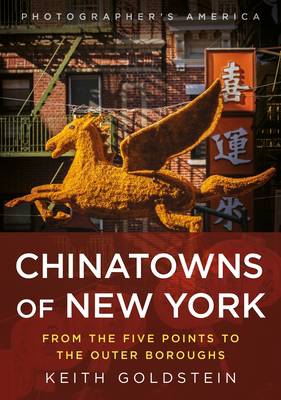
New York City is home to three primary Chinatowns, each with its own character and cultural significance. Manhattan's Chinatown is steeped in history, its narrow streets lined with traditional shops and markets offering a variety of authentic Chinese cuisine. In Brooklyn's Sunset Park, the enclave reflects a blend of old and new, where traditional businesses coexist with modern social clubs and communal markets. Defined by its massive Fuzhounese community and a distinct industrial-to-residential feel, it is a neighborhood in constant motion.
Flushing, Queens, boasts a dynamic Chinatown known for bustling streets filled with a wide array of eateries and shops. Here, a mix of Mandarin, Korean, and other languages reflects the area's incredible diversity. Together, these enclaves offer a glimpse into the rich tapestry of Chinese culture in New York City, from traditional roots to contemporary experiences.
Most people go to Chinatown to eat. I go to look, to listen, and understand. I discovered that these Chinatowns are not just places on a map but living, breathing communities--ones that reveal the complexity of belonging, the resilience of immigrants, and the ways in which culture transforms a city.
Flushing, Queens, boasts a dynamic Chinatown known for bustling streets filled with a wide array of eateries and shops. Here, a mix of Mandarin, Korean, and other languages reflects the area's incredible diversity. Together, these enclaves offer a glimpse into the rich tapestry of Chinese culture in New York City, from traditional roots to contemporary experiences.
Most people go to Chinatown to eat. I go to look, to listen, and understand. I discovered that these Chinatowns are not just places on a map but living, breathing communities--ones that reveal the complexity of belonging, the resilience of immigrants, and the ways in which culture transforms a city.
Specificaties
Betrokkenen
- Auteur(s):
- Uitgeverij:
Inhoud
- Aantal bladzijden:
- 96
- Taal:
- Engels
- Reeks:
Eigenschappen
- Productcode (EAN):
- 9781625451736
- Verschijningsdatum:
- 25/05/2026
- Uitvoering:
- Paperback
- Formaat:
- Trade paperback (VS)
- Afmetingen:
- 165 mm x 235 mm
- Gewicht:
- 294 g


Alleen bij Standaard Boekhandel
+ 72 punten op je klantenkaart van Standaard Boekhandel
Cadeau

AANGERADEN


Beoordelingen
We publiceren alleen reviews die voldoen aan de voorwaarden voor reviews. Bekijk onze voorwaarden voor reviews.