


- Afhalen na 1 uur in een winkel met voorraad
- Gratis thuislevering in België vanaf € 30
- Ruim aanbod met 7 miljoen producten
- Afhalen na 1 uur in een winkel met voorraad
- Gratis thuislevering in België vanaf € 30
- Ruim aanbod met 7 miljoen producten





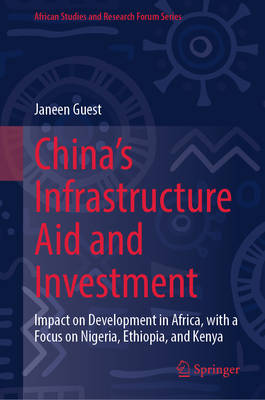
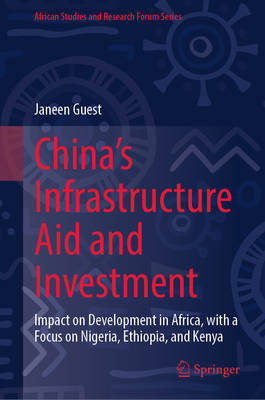
China's Infrastructure Aid and Investment
Impact on Development in Africa, with a Focus on Nigeria, Ethiopia, and Kenya
Janeen Guest
€ 119,45
+ 238 punten
Omschrijving
This monograph offers a detailed examination of the role of Chinese infrastructure development aid and foreign direct investment (FDI) in the economic growth of three key African countries: Nigeria, Ethiopia, and Kenya. The author argues that a significant positive correlation exists between Chinese infrastructure aid and investment and the GDP growth in these countries. Furthermore, the author examines whether a dependency relationship exists between Chinese infrastructure aid and FDI in these nations. This point is crucial as it explores these economies' long-term sustainability and autonomy, questioning whether they are becoming over-reliant on Chinese aid and FDI. Using comparative analysis, the book discusses the impacts of China's infrastructure projects across both economic and social dimensions. This work is an essential resource for scholars, policymakers, and practitioners who wish to understand the intricacies of China's involvement in Africa. It contributes to informed decision-making and policy formulation by shedding light on the impact of development through a well-rounded comparative perspective. The insights provided will benefit those involved in development economics, international relations, public policy, and African studies.
Specificaties
Betrokkenen
- Auteur(s):
- Uitgeverij:
Inhoud
- Aantal bladzijden:
- 181
- Taal:
- Engels
- Reeks:
Eigenschappen
- Productcode (EAN):
- 9783032119636
- Verschijningsdatum:
- 6/02/2026
- Uitvoering:
- Hardcover
- Formaat:
- Genaaid
- Afmetingen:
- 156 mm x 234 mm
- Gewicht:
- 476 g


Alleen bij Standaard Boekhandel
+ 238 punten op je klantenkaart van Standaard Boekhandel
AANGERADEN


Beoordelingen
We publiceren alleen reviews die voldoen aan de voorwaarden voor reviews. Bekijk onze voorwaarden voor reviews.