


- Afhalen na 1 uur in een winkel met voorraad
- Gratis thuislevering in België vanaf € 30
- Ruim aanbod met 7 miljoen producten
- Afhalen na 1 uur in een winkel met voorraad
- Gratis thuislevering in België vanaf € 30
- Ruim aanbod met 7 miljoen producten





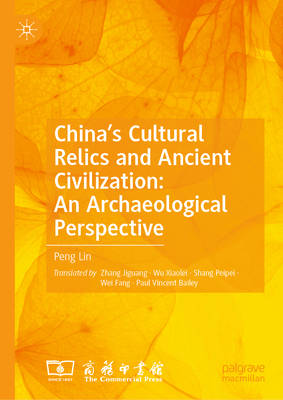
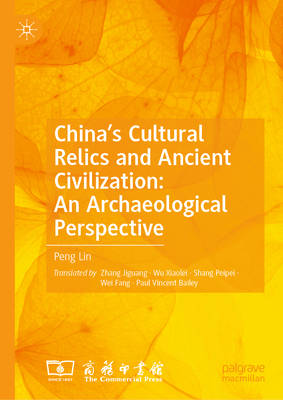
China's Cultural Relics and Ancient Civilization: An Archaeological Perspective
Peng Lin
Hardcover | Engels
€ 198,45
+ 396 punten
Omschrijving
This book offers a compelling archaeological exploration of China's millennia-old civilization. It masterfully synthesizes material evidence with classical texts such as The Rites of Zhou (Zhouli), anchored by 15 iconic cultural artifacts. These range from the Jiahu bone flute (a testament to the sophistication of early Chinese musical systems) and the Liangzhu jade cong (a symbol of early political hierarchy and ritual authority) to the Four-Ram Square zun (a masterpiece of Shang Dynasty bronze craftsmanship) and the astronomical lacquer box from the tomb of Marquis Yi of Zeng. Adopting a rigorous interdisciplinary approach spanning archaeology, history, astronomy, metallurgy, and ritual studies, Peng Lin illuminates the technical ingenuity, cultural traditions, and social structures of ancient China, while highlighting the unity in diversity that shaped the evolution of Chinese civilization. Far from a static exhibition of relics, the book employs a "dual evidence" approach--cross-checking unearthed materials against received texts--to challenge fragmented interpretations of the past. Essential reading for university liberal arts curricula, it offers scholars and general readers alike a nuanced yet accessible lens on the nexus between material culture and the origins of Chinese civilization.
Specificaties
Betrokkenen
- Auteur(s):
- Vertaler(s):
- Uitgeverij:
Inhoud
- Aantal bladzijden:
- 473
- Taal:
- Engels
Eigenschappen
- Productcode (EAN):
- 9789819579914
- Verschijningsdatum:
- 2/07/2026
- Uitvoering:
- Hardcover
- Formaat:
- Genaaid
- Afmetingen:
- 148 mm x 210 mm


Alleen bij Standaard Boekhandel
+ 396 punten op je klantenkaart van Standaard Boekhandel
Cadeau

AANGERADEN


Beoordelingen
We publiceren alleen reviews die voldoen aan de voorwaarden voor reviews. Bekijk onze voorwaarden voor reviews.