


- Afhalen na 1 uur in een winkel met voorraad
- Gratis thuislevering in België vanaf € 30
- Ruim aanbod met 7 miljoen producten
- Afhalen na 1 uur in een winkel met voorraad
- Gratis thuislevering in België vanaf € 30
- Ruim aanbod met 7 miljoen producten





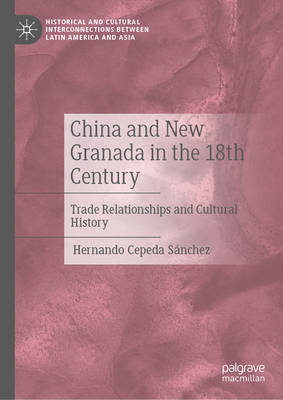
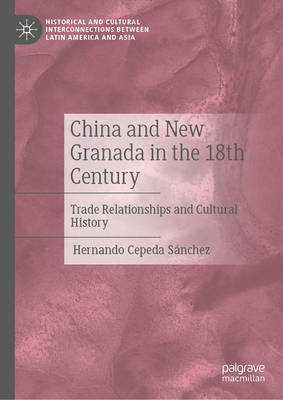
China and New Granada in the 18th Century
Trade Relationships and Cultural History
Hernando Cepeda Sánchez
€ 140,95
+ 281 punten
Omschrijving
This book argues that Colombia and China have been linked since the earliest Spanish colonial period through a little-known commercial sphere that historiography has largely overlooked. Drawing on primary sources from national archives and tracing scattered references in Chinese historiography, it demonstrates that New Granada--today Colombia and Panama--sustained a consistent commercial relationship with China, particularly through the consumption of diverse textiles.
Revisiting this historical encounter offers a fresh perspective on the economic and cultural dynamics of the eighteenth century, a period traditionally framed as one of mainly European dominance. Evidence from smuggling records and testamentary files in Colombian and Spanish archives shows that New Grenadian society consumed significant quantities of Chinese goods, including silk, angaripolas, and damascos. These findings support two central claims: first, that New Granada actively participated in global markets during the eighteenth century; and second, that Chinese commodities enabled cultivated forms of global sociability within the region.Specificaties
Betrokkenen
- Auteur(s):
- Uitgeverij:
Inhoud
- Aantal bladzijden:
- 222
- Taal:
- Engels
- Reeks:
Eigenschappen
- Productcode (EAN):
- 9783032164605
- Verschijningsdatum:
- 9/07/2026
- Uitvoering:
- Hardcover
- Formaat:
- Genaaid
- Afmetingen:
- 148 mm x 210 mm


Alleen bij Standaard Boekhandel
+ 281 punten op je klantenkaart van Standaard Boekhandel
Cadeau

AANGERADEN


Beoordelingen
We publiceren alleen reviews die voldoen aan de voorwaarden voor reviews. Bekijk onze voorwaarden voor reviews.