


- Afhalen na 1 uur in een winkel met voorraad
- Gratis thuislevering in België vanaf € 30
- Ruim aanbod met 7 miljoen producten
- Afhalen na 1 uur in een winkel met voorraad
- Gratis thuislevering in België vanaf € 30
- Ruim aanbod met 7 miljoen producten





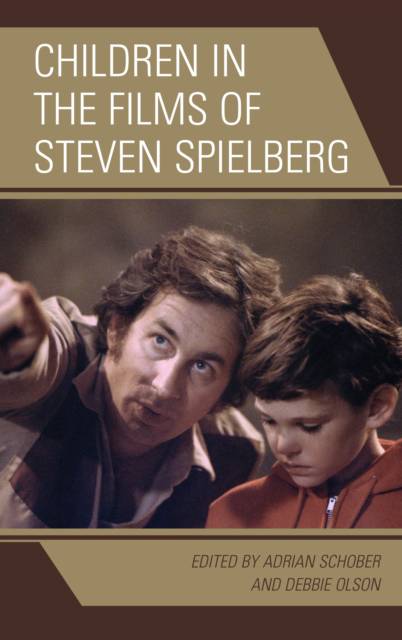
Children in the Films of Steven Spielberg
€ 115,45
+ 230 punten
Omschrijving
To say that children matter in Steven Spielberg's films is an understatement. Think of the possessed Stevie in Something Evil (TV), Baby Langston in The Sugarland Express, the alien-abducted Barry in Close Encounters, Elliott and his unearthly alter-ego in E.T, the war-damaged Jim in Empire of the Sun, the little girl in the red coat in Schindler's List, the mecha child in A.I., the kidnapped boy in Minority Report, and the eponymous boy hero of The Adventures of Tintin. (There are many other instances across his oeuvre). Contradicting his reputation as a purveyor of 'popcorn' entertainment, Spielberg's vision of children/childhood is complex. Discerning critics have begun to note its darker underpinnings, increasingly fraught with tensions, conflicts and anxieties. But, while childhood is Spielberg's principal source of inspiration, the topic has never been the focus of a dedicated collection of essays. The essays in Children in the Films of Steven Spielberg therefore seek to address childhood in the full spectrum of Spielberg's cinema. Fittingly, the scholars represented here draw on a range of theoretical frameworks and disciplines--cinema studies, literary studies, audience reception, critical race theory, psychoanalysis, sociology, and more. This is an important book for not only scholars but teachers and students of Spielberg's work, and for any serious fan of the director and his career.
Specificaties
Betrokkenen
- Uitgeverij:
Inhoud
- Aantal bladzijden:
- 326
- Taal:
- Engels
- Reeks:
Eigenschappen
- Productcode (EAN):
- 9781498518864
- Verschijningsdatum:
- 23/03/2018
- Uitvoering:
- Paperback
- Formaat:
- Trade paperback (VS)
- Afmetingen:
- 152 mm x 229 mm
- Gewicht:
- 476 g


Alleen bij Standaard Boekhandel
+ 230 punten op je klantenkaart van Standaard Boekhandel
Cadeau

AANGERADEN


Beoordelingen
We publiceren alleen reviews die voldoen aan de voorwaarden voor reviews. Bekijk onze voorwaarden voor reviews.