


- Afhalen na 1 uur in een winkel met voorraad
- Gratis thuislevering in België vanaf € 30
- Ruim aanbod met 7 miljoen producten
- Afhalen na 1 uur in een winkel met voorraad
- Gratis thuislevering in België vanaf € 30
- Ruim aanbod met 7 miljoen producten





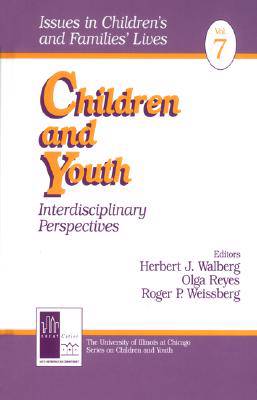
Children and Youth
Interdisciplinary Perspectives
€ 303,95
+ 607 punten
Omschrijving
While "city life" can be exciting, its problems can be challenging for families and children, particularly when they are members of minority groups. An interdisciplinary team of researchers examines the positive and problematic circumstances that confront children and youth living in cities and identifies the best researched-based solutions for improving or enhancing those circumstances. Divided into three parts--families, schools, and health--this impressive array of scholars explore such topics as: factors that have influenced inner-city life, including migration patterns and middle-class flights from cities and ghettos; the role of coping, resources, and skills in an urban familyÆs successful management of stress; community-university partnerships that offer workable solutions to urban children and their families; the features of homes, schools, and communities that promote academic success and healthy psychological development in adverse circumstances; barriers to urban schoolingùsuch as under funding, dangerous environments, and teacher overload--and promising avenues of reform for effective schools; strategies for preventing violence and substance abuse among city youth; the use of cultural competency training for health care providers so as to overcome the geographic, language, and ethnic barriers to the urban poorÆs access to this care; and the development and implementation of the collaborative programs across disciplines to better serve city children and their families. Clearly written so as to be more accessible to researchers, policymakers, and practitioners in the fields of developmental psychology, sociology, family studies, social work, counseling, human services, and nursing this book provides readers with the best interdisciplinary information available today on the problems with growing up in a city and ways to solve them.
Specificaties
Betrokkenen
- Uitgeverij:
Inhoud
- Aantal bladzijden:
- 400
- Taal:
- Engels
- Reeks:
Eigenschappen
- Productcode (EAN):
- 9780761909064
- Verschijningsdatum:
- 26/03/1997
- Uitvoering:
- Hardcover
- Formaat:
- Genaaid
- Afmetingen:
- 147 mm x 216 mm
- Gewicht:
- 725 g

Alleen bij Standaard Boekhandel
+ 607 punten op je klantenkaart van Standaard Boekhandel
Cadeau

AANGERADEN


Beoordelingen
We publiceren alleen reviews die voldoen aan de voorwaarden voor reviews. Bekijk onze voorwaarden voor reviews.