


- Afhalen na 1 uur in een winkel met voorraad
- Gratis thuislevering in België vanaf € 30
- Ruim aanbod met 7 miljoen producten
- Afhalen na 1 uur in een winkel met voorraad
- Gratis thuislevering in België vanaf € 30
- Ruim aanbod met 7 miljoen producten




€ 90,45
+ 180 punten
Omschrijving
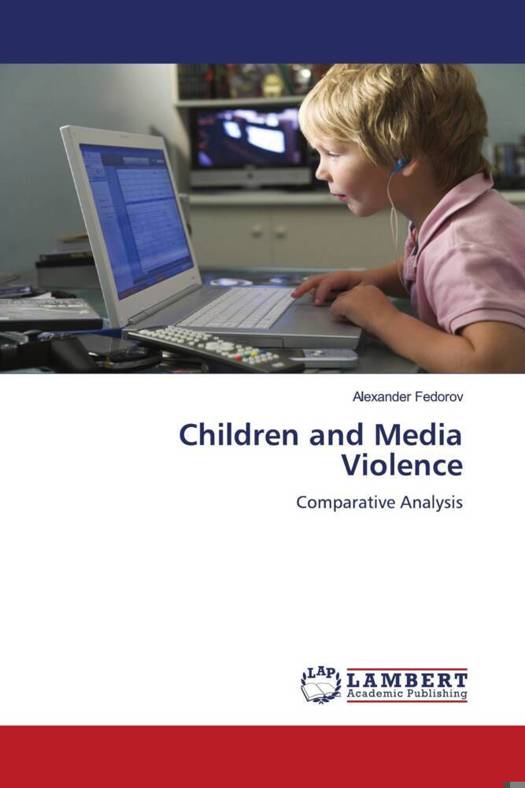
The United Nations Convention on the Rights of the Child states the right of children for information, but also for protection from information that might threaten their well-being and personal development. In societies that heavily expose children to media, the healthy development of democratic institutions and civil society can be greatly influenced by the impact of media violence on children's behavior and perception of society. An emphasis on this particular aspect of societal regulation of children's media viewing is strongly recommended by UN and UNESCO. Unfortunately, The UN Convention on the Rights of the Child has not succeeded in modern Russian society with regard to the media (television, cinema, video, PC-games) because scenes of hard violence persist on all Russian cinema and television screens. The infringement of the Rights of the Child on the Russian screen is a very important problem and Russian pedagogues should not only attract societal and governmental attention to it, but should also provide training and education about children and media violence.
Specificaties
Betrokkenen
- Auteur(s):
- Uitgeverij:
Inhoud
- Aantal bladzijden:
- 164
- Taal:
- Engels
Eigenschappen
- Productcode (EAN):
- 9783838325804
- Verschijningsdatum:
- 27/09/2010
- Uitvoering:
- Paperback
- Afmetingen:
- 150 mm x 220 mm
- Gewicht:
- 249 g


Alleen bij Standaard Boekhandel
+ 180 punten op je klantenkaart van Standaard Boekhandel
Cadeau

AANGERADEN


Beoordelingen
We publiceren alleen reviews die voldoen aan de voorwaarden voor reviews. Bekijk onze voorwaarden voor reviews.