


- Afhalen na 1 uur in een winkel met voorraad
- Gratis thuislevering in België vanaf € 30
- Ruim aanbod met 7 miljoen producten
- Afhalen na 1 uur in een winkel met voorraad
- Gratis thuislevering in België vanaf € 30
- Ruim aanbod met 7 miljoen producten





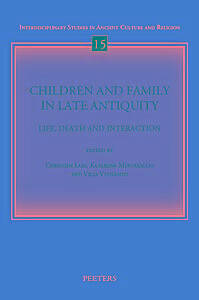
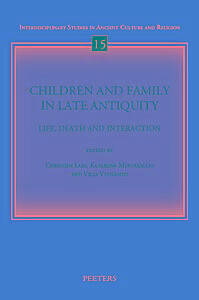
Children and Family in Late Antiquity
Life, Death and Interaction
€ 72,00
+ 144 punten
Omschrijving
This volume continues the series of five previous Roman Family publications, and puts special focus on social history and living conditions in the familial contexts. It concentrates on three interlinked aspects of family life and interaction: liminal situations regarding demography and ecological factors that lay down the framework for family life, liminal conditions on the edges of familial life regarding child labour, child slaves and sexual attitudes towards children, and local traditions which confront us with people and cultures at the borders of the Roman Empire. By focusing on three recurring points of departure (Late Antiquity, children and childhood, and the encounter between various cultures), and by presenting a wide variety of methodological approaches (from rhetorical analysis of discourses to statistical analysis, and from experiential life stories to iconographic analysis), the present volume offers a view on the status quaestionis of Roman family studies, and widens the thematic points of departure for the study of the Roman family, thus hopefully pointing to fruitful directions for further studies.
Specificaties
Betrokkenen
- Uitgeverij:
Inhoud
- Aantal bladzijden:
- 390
- Taal:
- Engels
- Reeks:
- Reeksnummer:
- nr. 15
Eigenschappen
- Productcode (EAN):
- 9789042931350
- Verschijningsdatum:
- 31/12/2015
- Uitvoering:
- Paperback
- Formaat:
- Trade paperback (VS)
- Afmetingen:
- 160 mm x 239 mm
- Gewicht:
- 612 g

Alleen bij Standaard Boekhandel
+ 144 punten op je klantenkaart van Standaard Boekhandel
Cadeau

AANGERADEN


Beoordelingen
We publiceren alleen reviews die voldoen aan de voorwaarden voor reviews. Bekijk onze voorwaarden voor reviews.