


- Afhalen na 1 uur in een winkel met voorraad
- Gratis thuislevering in België vanaf € 30
- Ruim aanbod met 7 miljoen producten
- Afhalen na 1 uur in een winkel met voorraad
- Gratis thuislevering in België vanaf € 30
- Ruim aanbod met 7 miljoen producten





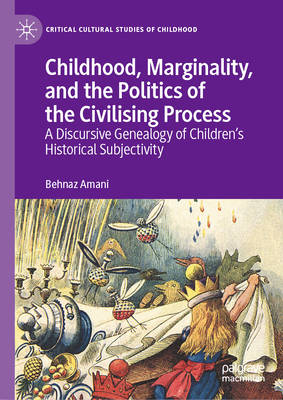
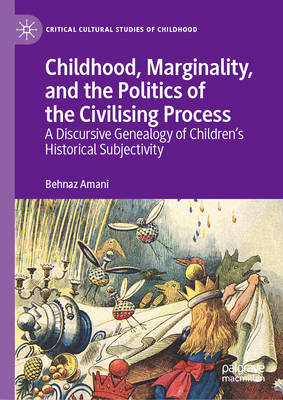
Childhood, Marginality, and the Politics of the Civilising Process
Behnaz Amani
€ 173,45
+ 346 punten
Omschrijving
This book offers a critical re-evaluation of the institution of childhood through a discursive and genealogical lens, examining how modern subjectivity, power, and marginality have shaped the child's figure. Drawing on critical theory, Foucauldian analysis, and poststructuralist thought, it traces the historical and literary construction of the child subject from the Enlightenment through to the neoliberal present. Analysing canonical texts--including the Grimms' fairy tales, Carroll's Alice, and Gaiman's Coraline--the book interrogates the civilising process and its role in producing normative childhood. It challenges prevailing assumptions in Childhood Studies, children's literature, and educational theory by foregrounding the contradictions, exclusions, and political functions embedded in childhood discourse. This work speaks to scholars in Childhood and Youth Studies, Literary and Cultural Theory, and Children's Literature, seeking a deeper understanding of how the child is discursively mobilised in social control, identity formation, and cultural reproduction projects. By problematising the utopian ideal of childhood, the book reorients the field toward a more critical, historically grounded engagement with the politics of marginality.
Specificaties
Betrokkenen
- Auteur(s):
- Uitgeverij:
Inhoud
- Aantal bladzijden:
- 210
- Taal:
- Engels
- Reeks:
Eigenschappen
- Productcode (EAN):
- 9783032246790
- Verschijningsdatum:
- 15/07/2026
- Uitvoering:
- Hardcover
- Formaat:
- Genaaid
- Afmetingen:
- 148 mm x 210 mm


Alleen bij Standaard Boekhandel
+ 346 punten op je klantenkaart van Standaard Boekhandel
Cadeau

AANGERADEN


Beoordelingen
We publiceren alleen reviews die voldoen aan de voorwaarden voor reviews. Bekijk onze voorwaarden voor reviews.