


- Afhalen na 1 uur in een winkel met voorraad
- Gratis thuislevering in België vanaf € 30
- Ruim aanbod met 7 miljoen producten
- Afhalen na 1 uur in een winkel met voorraad
- Gratis thuislevering in België vanaf € 30
- Ruim aanbod met 7 miljoen producten





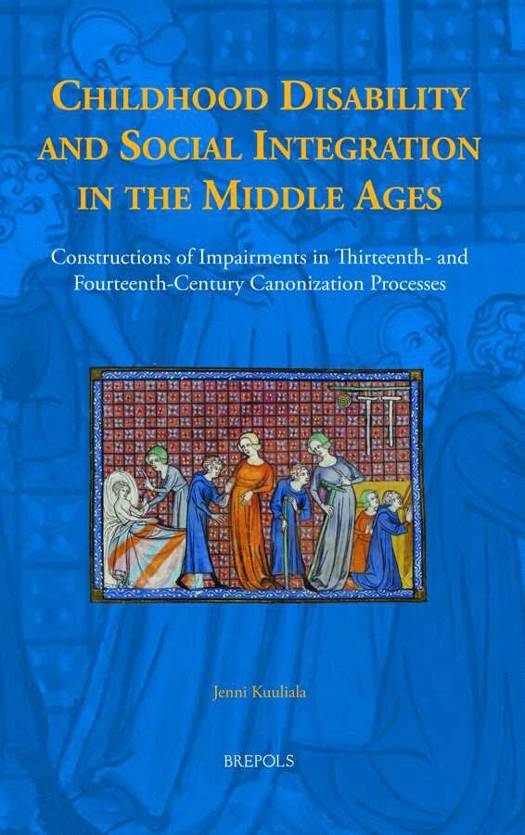
Childhood Disability and Social Integration in the Middle Ages
Constructions of Impairments in Thirteenth- And Fourteenth-Century Canonization Processes
Jenni Kuuliala
€ 127,20
+ 254 punten
Omschrijving
This volume offers new insights into medieval disability studies by analysing miracle testimonies from canonization processes as sources for the study of medieval attitudes to and understanding of childhood physical impairments: how they were defined, and the social consequences of childhood disability on the family, on the community, and on children themselves. In these texts, laypeople from different social groups carefully described events leading to children's miraculous cures of physical impairments, as well as the conditions themselves. They thus provide an exceptionally rich (yet hitherto unexplored) window into the ways in which medieval society defined, explained, and understood children's impairments. Besides simply describing disabilities and miraculous cures, these testimonies also reveal various aspects of everyday experiences and communal attitudes towards impaired children. The few testimonies by the children themselves offer fascinating insights into personal experiences of physical disability and how disability affected a child's socialization and the formation of identity. This study thus aims to tease apart the often-complex ways in which medieval society both viewed physical differences and how it chose to (re)construct these differences in the discourse of the miraculous, as well as in everyday life.
Specificaties
Betrokkenen
- Auteur(s):
- Uitgeverij:
Inhoud
- Aantal bladzijden:
- 380
- Taal:
- Engels
- Reeks:
- Reeksnummer:
- nr. 4
Eigenschappen
- Productcode (EAN):
- 9782503551852
- Verschijningsdatum:
- 31/05/2016
- Uitvoering:
- Hardcover
- Formaat:
- Genaaid
- Afmetingen:
- 165 mm x 239 mm
- Gewicht:
- 793 g


Alleen bij Standaard Boekhandel
+ 254 punten op je klantenkaart van Standaard Boekhandel
AANGERADEN


Beoordelingen
We publiceren alleen reviews die voldoen aan de voorwaarden voor reviews. Bekijk onze voorwaarden voor reviews.