



Je cadeautjes zeker op tijd in huis hebben voor de feestdagen? Kom langs in onze winkels en vind het perfecte geschenk!
- Afhalen na 1 uur in een winkel met voorraad
- Gratis thuislevering in België vanaf € 30
- Ruim aanbod met 7 miljoen producten
Je cadeautjes zeker op tijd in huis hebben voor de feestdagen? Kom langs in onze winkels en vind het perfecte geschenk!
- Afhalen na 1 uur in een winkel met voorraad
- Gratis thuislevering in België vanaf € 30
- Ruim aanbod met 7 miljoen producten





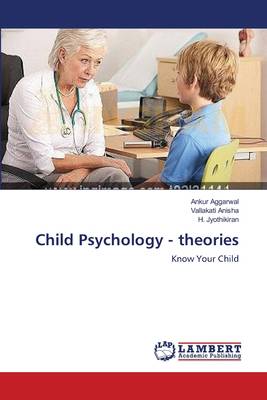
Child Psychology - theories
Know Your Child
Ankur Aggarwal, Vallakati Anisha, H. Jyothikiran
Paperback | Engels
€ 76,45
+ 152 punten
Omschrijving
Understanding your child is one of the most important things that you should learn as a parent. It is very helpful in becoming effective in guiding and nurturing your child as they grow and mature. You need to bear in mind that your child has a unique personality trait that remains consistent throughout life. One of the ways you can understand your child is by observing them as they sleep, eat, or play. Look for the consistent traits. Which activities do they like best? Is adjusting to changes easy for them or do they need time to become familiar with these things? These things are the normal characteristics of a child and your child may not be an exception. As much as possible, have time to talk to your children as this is crucial to gaining information and understanding. In the case of young children, they require less verbal language and more facial expression and body language in order to understand their thoughts and feelings. Asking them questions will allow them to share their feelings to you.
Specificaties
Betrokkenen
- Auteur(s):
- Uitgeverij:
Inhoud
- Aantal bladzijden:
- 144
- Taal:
- Engels
Eigenschappen
- Productcode (EAN):
- 9783659554582
- Verschijningsdatum:
- 9/06/2014
- Uitvoering:
- Paperback
- Afmetingen:
- 150 mm x 220 mm
- Gewicht:
- 208 g


Alleen bij Standaard Boekhandel
+ 152 punten op je klantenkaart van Standaard Boekhandel
CADEAU


Beoordelingen
We publiceren alleen reviews die voldoen aan de voorwaarden voor reviews. Bekijk onze voorwaarden voor reviews.