


- Afhalen na 1 uur in een winkel met voorraad
- Gratis thuislevering in België vanaf € 30
- Ruim aanbod met 7 miljoen producten
- Afhalen na 1 uur in een winkel met voorraad
- Gratis thuislevering in België vanaf € 30
- Ruim aanbod met 7 miljoen producten





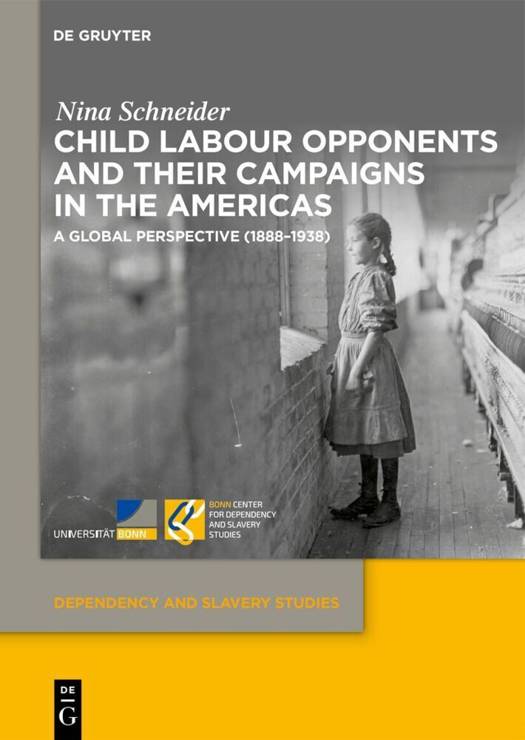
Child Labour Opponents and Their Campaigns in the Americas
A Global Perspective (1888-1938)
Nina Schneider
€ 102,45
+ 204 punten
Eenvoudig bestellen
Veilig betalen


Gratis thuislevering vanaf € 30 (via bpost)
Gratis levering in je Standaard Boekhandel
Omschrijving
This book delves into the past and examines the origins of activism against child labour. It addresses a hitherto under-examined question: how and why did child labour develop into a key concern between the 1880s and 1930s? Who were the protagonists who first raised the issue of child labour as a global concern? The study aims to provide the first account of the history of diverse and locally grounded - but nationally and frequently globally connected - child labour opponents in the Americas, their motivations and campaigns, at the turn of the 20th century. I argue that, for the period between 1888 and 1938, one can identify similar protagonists, a joint goal, a broadly similar timing, common platforms, comparable campaigning mechanisms and many types of connections or entanglements across regions. Nevertheless, in contrast to the global anti-slavery movement, child labour opponents formed a loosely institutionalised network which lacked an international organisation that focused specifically on child labour. A global history approach to child labour opponents helps reveal large-scale patterns across societies and highlight similarities and differences between cases.
Specificaties
Betrokkenen
- Auteur(s):
- Uitgeverij:
Inhoud
- Aantal bladzijden:
- 425
- Taal:
- Engels
- Reeks:
- Reeksnummer:
- nr. 23
Eigenschappen
- Productcode (EAN):
- 9783119146609
- Verschijningsdatum:
- 7/11/2025
- Uitvoering:
- Hardcover
- Formaat:
- Genaaid
- Afmetingen:
- 170 mm x 244 mm
- Gewicht:
- 830 g



Alleen bij Standaard Boekhandel
+ 204 punten op je klantenkaart van Standaard Boekhandel
CADEAU

AANGERADEN


Beoordelingen
We publiceren alleen reviews die voldoen aan de voorwaarden voor reviews. Bekijk onze voorwaarden voor reviews.