


- Afhalen na 1 uur in een winkel met voorraad
- Gratis thuislevering in België vanaf € 30
- Ruim aanbod met 7 miljoen producten
- Afhalen na 1 uur in een winkel met voorraad
- Gratis thuislevering in België vanaf € 30
- Ruim aanbod met 7 miljoen producten





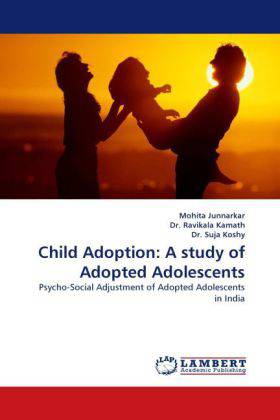
Child Adoption: A study of Adopted Adolescents
Psycho-Social Adjustment of Adopted Adolescents in India
Mohita Junnarkar, Ravikala Kamath, Suja Koshy
Paperback | Engels
€ 58,45
+ 116 punten
Omschrijving
The present study was aimed at measuring the psychosocial adjustment of adolescents living with adoptive families. The study compared 30 adopted and non-adopted adolescents on the APRS and APQP.Results indicated that 70% of adopted adolescents obtained high scores for psychosocial adjustment on the APRS, indicating that early placement in adoptive environment does not lead to any adverse effects on adolescents. 90% of adopted adolescents also obtained high scores in the social domain, indicating that adopted adolescents enjoy a good social support thus helping to build a positive self esteem. The findings revealed that the adopted adolescents had at least one close friend with whom they could confide and share their problems. 99% of the adopted adolescents thought of themselves as "lucky" to have set of wonderful parents. The psychological score indicated that there was presence of emotional disturbance, thus leading to mood swings in the adolescents. 96.67% of the adolescents were aware of their adoptive status, having been informed about it by their parents. The results indicated that there was no significant difference between the adopted and non-adopted adolescents.
Specificaties
Betrokkenen
- Auteur(s):
- Uitgeverij:
Inhoud
- Aantal bladzijden:
- 128
- Taal:
- Engels
Eigenschappen
- Productcode (EAN):
- 9783844332070
- Verschijningsdatum:
- 2/05/2011
- Uitvoering:
- Paperback
- Afmetingen:
- 152 mm x 229 mm
- Gewicht:
- 200 g


Alleen bij Standaard Boekhandel
+ 116 punten op je klantenkaart van Standaard Boekhandel
CADEAU

AANGERADEN


Beoordelingen
We publiceren alleen reviews die voldoen aan de voorwaarden voor reviews. Bekijk onze voorwaarden voor reviews.