


- Afhalen na 1 uur in een winkel met voorraad
- Gratis thuislevering in België vanaf € 30
- Ruim aanbod met 7 miljoen producten
- Afhalen na 1 uur in een winkel met voorraad
- Gratis thuislevering in België vanaf € 30
- Ruim aanbod met 7 miljoen producten





€ 108,45
+ 216 punten
Uitvoering
Omschrijving
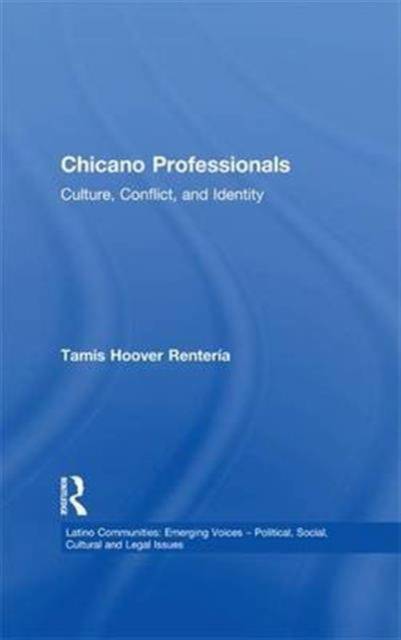
First published in 1998. As beneficiaries of aggressive affirmative action policies, Chicano doctors and lawyers educated in universities during the 1960s and early 1970s now dominate Mexican American professional politics and culture in Los Angeles. Chicano professionals have not shed their ethnicity or lost interest in working class Mexican Americans. Rather, they have maintained a sense of ethnic uniqueness and political entitlement through a Chicano professional culture. Rooted in the Chicano Movement, this culture is sustained through networks based on family; professional organization rituals with distinctive Chicano elements; arguments over ethnic labeling; and a variety of ethnic activities in daily life. Chicano professional culture is nurtured by a responsibility for the blue collar Mexican American population; an awareness of continuing discrimination against all Mexican Americans; and the ethnic culture of working class Mexican Americans who have retained their traditions even as they have moved into the Anglo-dominated American upper class. This book is a significant contribution to the sparse literature depicting the experiences of the Latinos who attended prestigious professional schools in unprecedented numbers during the height of affirmative action policies. The book also poses a significant challenge to the commonly-held assumption that class mobility inevitably leads to assimilation. Index. Bibliography.
Specificaties
Betrokkenen
- Auteur(s):
- Uitgeverij:
Inhoud
- Aantal bladzijden:
- 248
- Taal:
- Engels
- Reeks:
Eigenschappen
- Productcode (EAN):
- 9781138991187
- Verschijningsdatum:
- 29/02/2016
- Uitvoering:
- Paperback
- Formaat:
- Trade paperback (VS)
- Afmetingen:
- 129 mm x 198 mm
- Gewicht:
- 244 g


Alleen bij Standaard Boekhandel
+ 216 punten op je klantenkaart van Standaard Boekhandel
Cadeau

AANGERADEN


Beoordelingen
We publiceren alleen reviews die voldoen aan de voorwaarden voor reviews. Bekijk onze voorwaarden voor reviews.