


- Afhalen na 1 uur in een winkel met voorraad
- Gratis thuislevering in België vanaf € 30
- Ruim aanbod met 7 miljoen producten
- Afhalen na 1 uur in een winkel met voorraad
- Gratis thuislevering in België vanaf € 30
- Ruim aanbod met 7 miljoen producten




Omschrijving
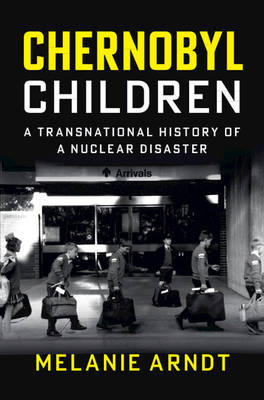
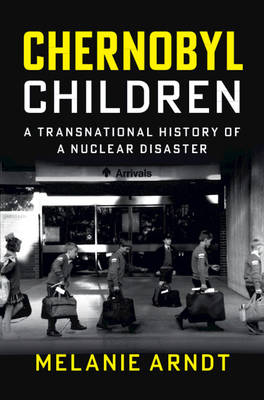
In the wake of the Chernobyl nuclear disaster, more than a million Belarusian, Ukrainian, and Russian children were sent abroad. Aided by the unprecedented efforts of transnational NGOs and private individuals, these children were meant to escape and recover from radiation exposure, but also from the increasing hardships of everyday life in post-Soviet society. Through this opening of the Soviet Union, hundreds of thousands of people in over forty countries witnessed the ecological, medical, social and political consequences of the disaster for the human beings involved. This awareness transformed the accident into a global catastrophe which could happen anywhere and have widespread impact. In this brilliantly insightful work, Melanie Arndt demonstrates that the Chernobyl children were both witness to and representative of a vanishing bipolar world order and the future of life in the Anthropocene, an age in which the human impact on the planet is increasingly borderless.
Specificaties
Betrokkenen
- Auteur(s):
- Vertaler(s):
- Uitgeverij:
Inhoud
- Aantal bladzijden:
- 368
- Taal:
- Engels
- Reeks:
Eigenschappen
- Productcode (EAN):
- 9781009457767
- Verschijningsdatum:
- 14/08/2025
- Uitvoering:
- Hardcover
- Formaat:
- Genaaid
- Afmetingen:
- 152 mm x 231 mm
- Gewicht:
- 680 g


Alleen bij Standaard Boekhandel
+ 93 punten op je klantenkaart van Standaard Boekhandel
AANGERADEN


Beoordelingen
We publiceren alleen reviews die voldoen aan de voorwaarden voor reviews. Bekijk onze voorwaarden voor reviews.