



- Afhalen na 1 uur in een winkel met voorraad
- In januari gratis thuislevering in België
- Ruim aanbod met 7 miljoen producten
- Afhalen na 1 uur in een winkel met voorraad
- In januari gratis thuislevering in België
- Ruim aanbod met 7 miljoen producten





€ 153,95
+ 307 punten
Uitvoering
Omschrijving
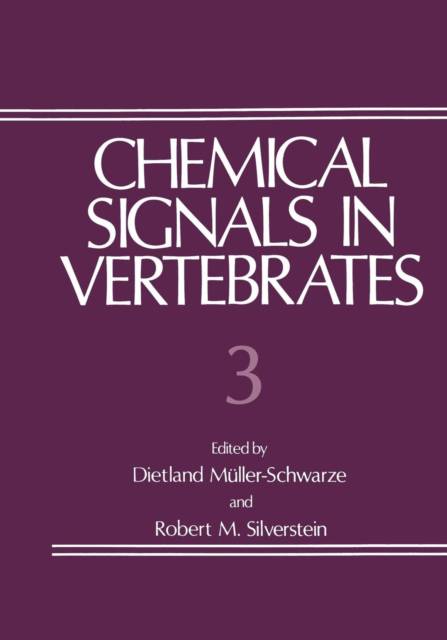
The first volume in this series appeared in 1977, the second in 1980. From these volumes and the present one, some research trends in chemical communication can be perceived. In the 1977 volume, studies on 13 animal taxa were reported. In the present volume, the number is 25. This taxonomie diversi- fication of research since the first volume of this series demon- strates the wide variety of ecological adaptions, although no new general principles of chemical communication have ernerged. Further- more, divergences in chemical comrnunication below the species level have become more apparent. In general, more sophisticated observa- tions and techniques have led to greater awareness of the com- plexities in chemical communication. As such awareness has also developed in the field of insect chemical communication, there has been a corresponding increase in the identification of the chemical compounds involved. However, in the vertebrates, no such correlation exists; in the present volume, conclusive chemical identifications of semiochemicals are remarkable by their paucity.
Specificaties
Betrokkenen
- Auteur(s):
- Uitgeverij:
Inhoud
- Aantal bladzijden:
- 368
- Taal:
- Engels
Eigenschappen
- Productcode (EAN):
- 9781475796544
- Verschijningsdatum:
- 26/04/2013
- Uitvoering:
- Paperback
- Formaat:
- Trade paperback (VS)
- Afmetingen:
- 178 mm x 254 mm
- Gewicht:
- 657 g



Alleen bij Standaard Boekhandel
+ 307 punten op je klantenkaart van Standaard Boekhandel
Cadeau

AANGERADEN


Beoordelingen
We publiceren alleen reviews die voldoen aan de voorwaarden voor reviews. Bekijk onze voorwaarden voor reviews.