



- Afhalen na 1 uur in een winkel met voorraad
- In januari gratis thuislevering in België
- Ruim aanbod met 7 miljoen producten
- Afhalen na 1 uur in een winkel met voorraad
- In januari gratis thuislevering in België
- Ruim aanbod met 7 miljoen producten





€ 182,45
+ 364 punten
Uitvoering
Omschrijving
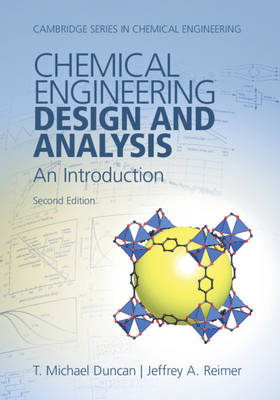
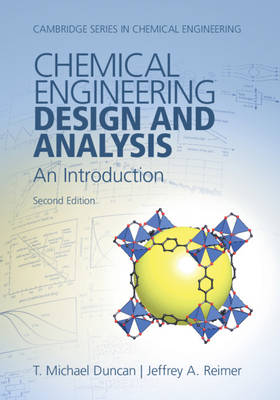
This textbook puts design at the center of introducing students to the course in mass and energy balances in chemical engineering. Employers and accreditations increasingly stress the importance of design in the engineering curriculum, and design-driven analysis will motivate students to dig deeply into the key concepts of the field. The second edition has been completely revised and updated. It introduces the central steps in design and three methods of analysis: mathematical modeling, graphical methods, and dimensional analysis. Students learn how to apply engineering skills, such as how to simplify calculations through assumptions and approximations; how to verify calculations, significant figures, spreadsheets, graphing (standard, semi-log and log-log); and how to use data maps, in the contexts of contemporary chemical processes such as the hydrogen economy, petrochemical and biochemical processes, polymers, semiconductors, and pharmaceuticals.
Specificaties
Betrokkenen
- Auteur(s):
- Uitgeverij:
Inhoud
- Aantal bladzijden:
- 588
- Taal:
- Engels
- Reeks:
Eigenschappen
- Productcode (EAN):
- 9781108421478
- Verschijningsdatum:
- 24/01/2019
- Uitvoering:
- Hardcover
- Formaat:
- Genaaid
- Afmetingen:
- 193 mm x 254 mm
- Gewicht:
- 1315 g


Alleen bij Standaard Boekhandel
+ 364 punten op je klantenkaart van Standaard Boekhandel
Cadeau

AANGERADEN


Beoordelingen
We publiceren alleen reviews die voldoen aan de voorwaarden voor reviews. Bekijk onze voorwaarden voor reviews.