


- Afhalen na 1 uur in een winkel met voorraad
- Gratis thuislevering in België vanaf € 30
- Ruim aanbod met 7 miljoen producten
- Afhalen na 1 uur in een winkel met voorraad
- Gratis thuislevering in België vanaf € 30
- Ruim aanbod met 7 miljoen producten




Omschrijving
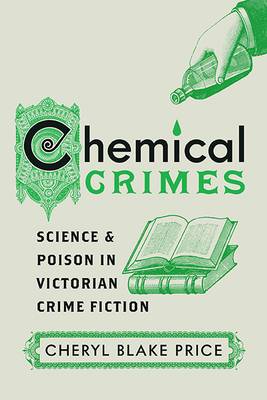
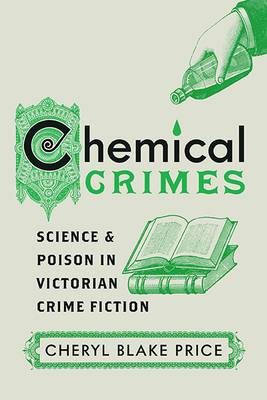
In Chemical Crimes: Science and Poison in Victorian Crime Fiction, Cheryl Blake Price delves into the dark world of Victorian criminality to examine how poison allowed authors to disrupt gender boundaries, genre, and the professionalization of science. Tracing the role of the chemical crime through the works of Letitia Elizabeth Landon, Ellen Wood, Edward Bulwer Lytton, L. T. Meade, Charles Warren Adams, and Wilkie Collins, Price argues that poison this intervention not only provided a useful tool for authors to challenge the growing power of science but also that its fluid nature and ability to mix, mingle, and transcend boundaries made it ideal for generic experimentation. From the Newgate and Silver Fork novels of the 1830s to the emergent genres of science and detective fiction of the 1890s, Price advocates for the classification of a new type of poisoner, one who combined crime with methodical scientific know-how: the chemical criminal. Chemical Crimes shows how authors used the subversiveness of chemical crimes to challenge the supposed disciplinary force of forensic detection and suggests that generic developments were inspired as much by criminal scientific innovation as they were by the rise of the detective-scientist. By focusing on chemical crime's appearance at significant moments, this book traces how reactions to Victorian science inspired change in nineteenth-century crime fiction.
Specificaties
Betrokkenen
- Auteur(s):
- Uitgeverij:
Inhoud
- Aantal bladzijden:
- 204
- Taal:
- Engels
Eigenschappen
- Productcode (EAN):
- 9780814213919
- Verschijningsdatum:
- 8/03/2019
- Uitvoering:
- Hardcover
- Formaat:
- Genaaid
- Afmetingen:
- 152 mm x 229 mm
- Gewicht:
- 471 g


Alleen bij Standaard Boekhandel
+ 237 punten op je klantenkaart van Standaard Boekhandel
Cadeau

AANGERADEN


Beoordelingen
We publiceren alleen reviews die voldoen aan de voorwaarden voor reviews. Bekijk onze voorwaarden voor reviews.